Paintings
In his pictorial research, Jacopo Scassellati adopts a deeply artisanal approach, in constant dialogue with the classical European tradition. Each work is the result of careful preparation of the supports and a thorough study of historical techniques.
The artist personally creates backgrounds and primers, working on canvas or wood with layered preparations that guarantee depth and durability over time. He prefers to use natural pigments, often prepared by hand according to processes inspired by ancient painting techniques, which give the surfaces an intense chromatic and material quality.
The color is applied through successive glazes, calibrated overlays, and tonal transitions constructed with academic discipline. Drawing, a fundamental element of his method, guides the composition from the earliest stages, maintaining a balance between formal structure and expressive tension.
The pictorial surfaces reveal a constant exploration of light and shadow, physical presence and spiritual dimension. The colors are never random: each shade is chosen to evoke memory, silence, sacredness, or narrative drama.
The result is a painting that combines technical rigor and contemporary sensibility, in which the material becomes a vehicle for contemplation and storytelling.
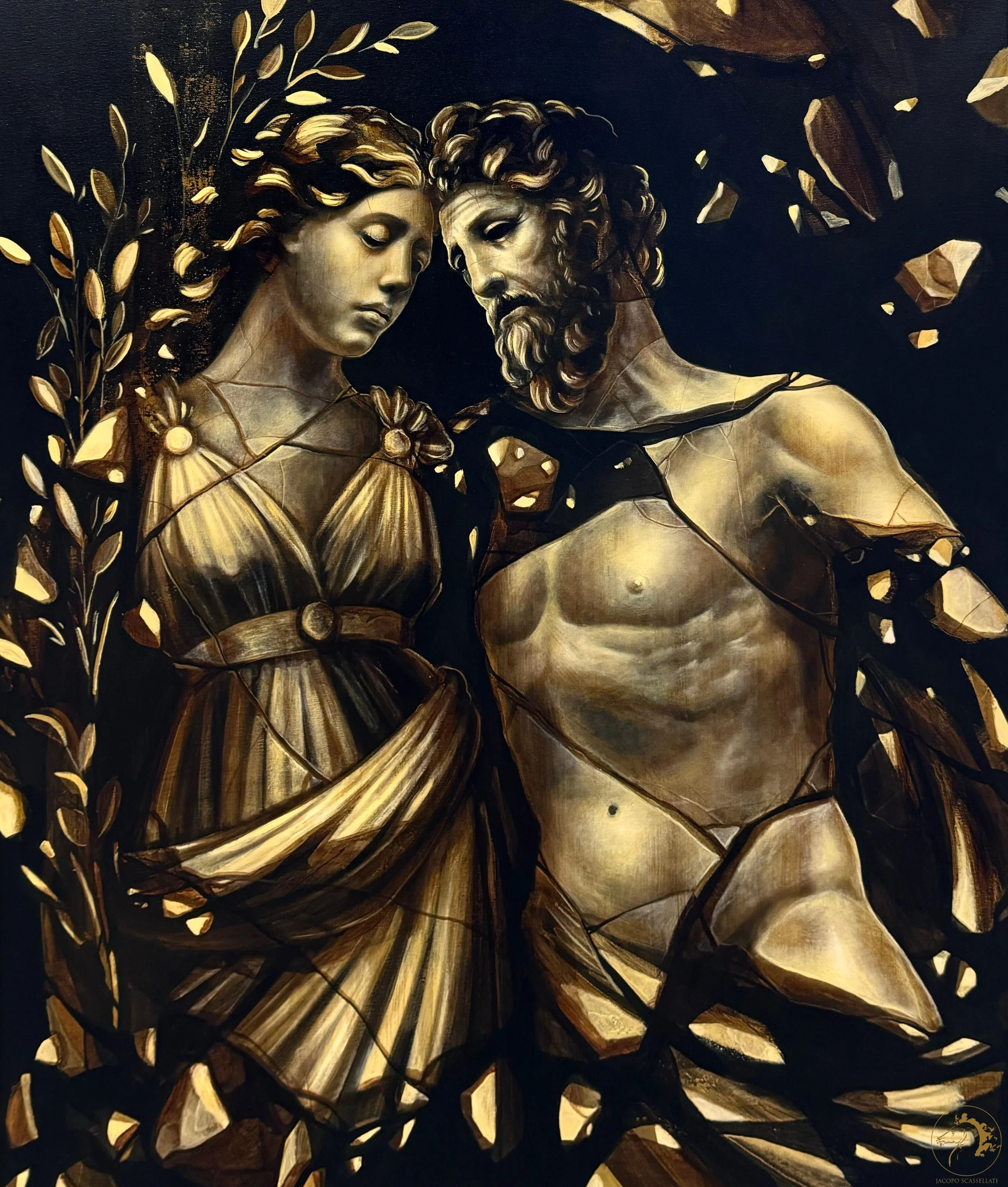
Apollo and Daphne, oil on canvas, 100 x 120 cm
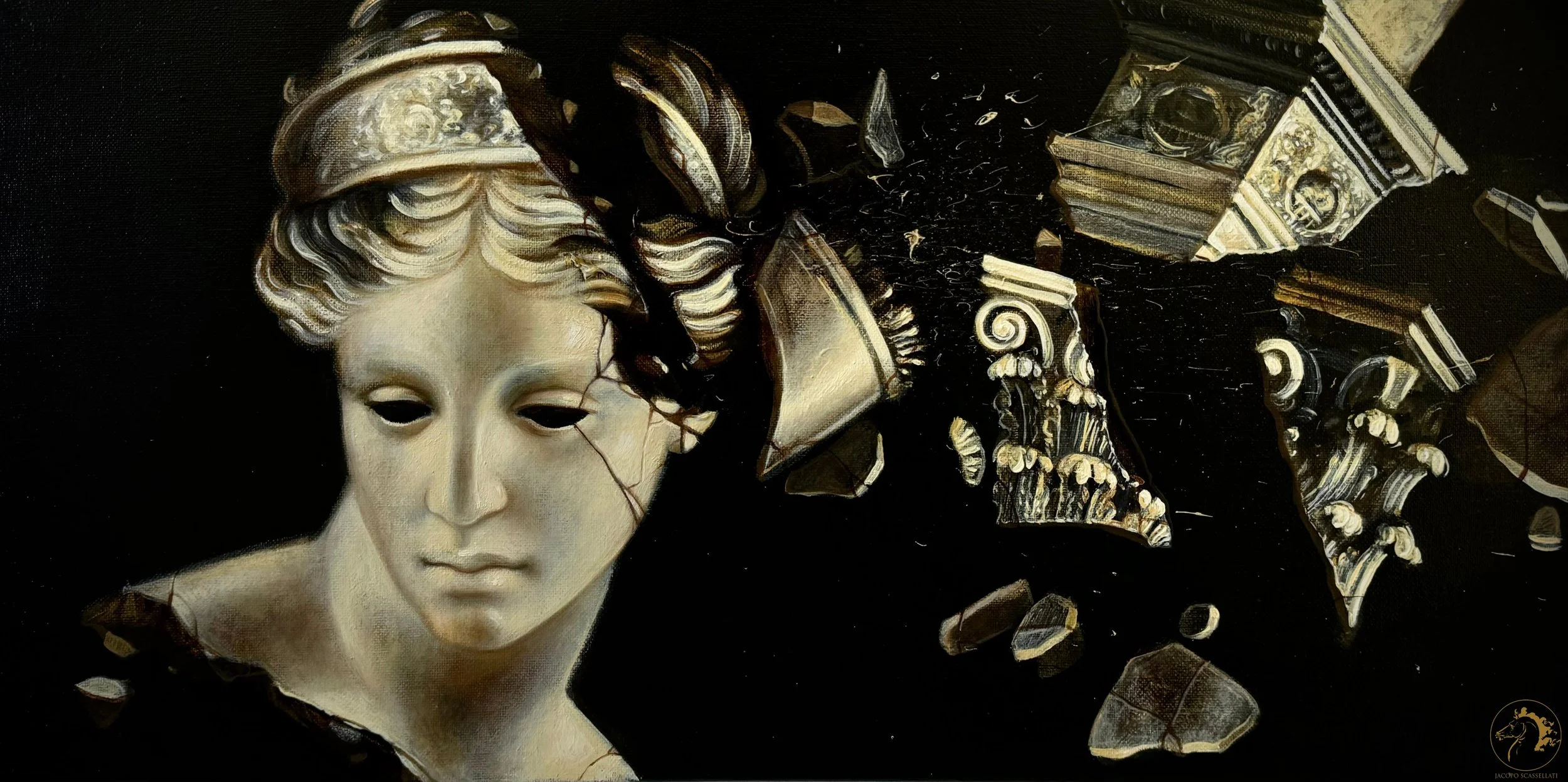
The Fragility of the Eternal, oil on canvas, 30 x 60 cm | Private collection
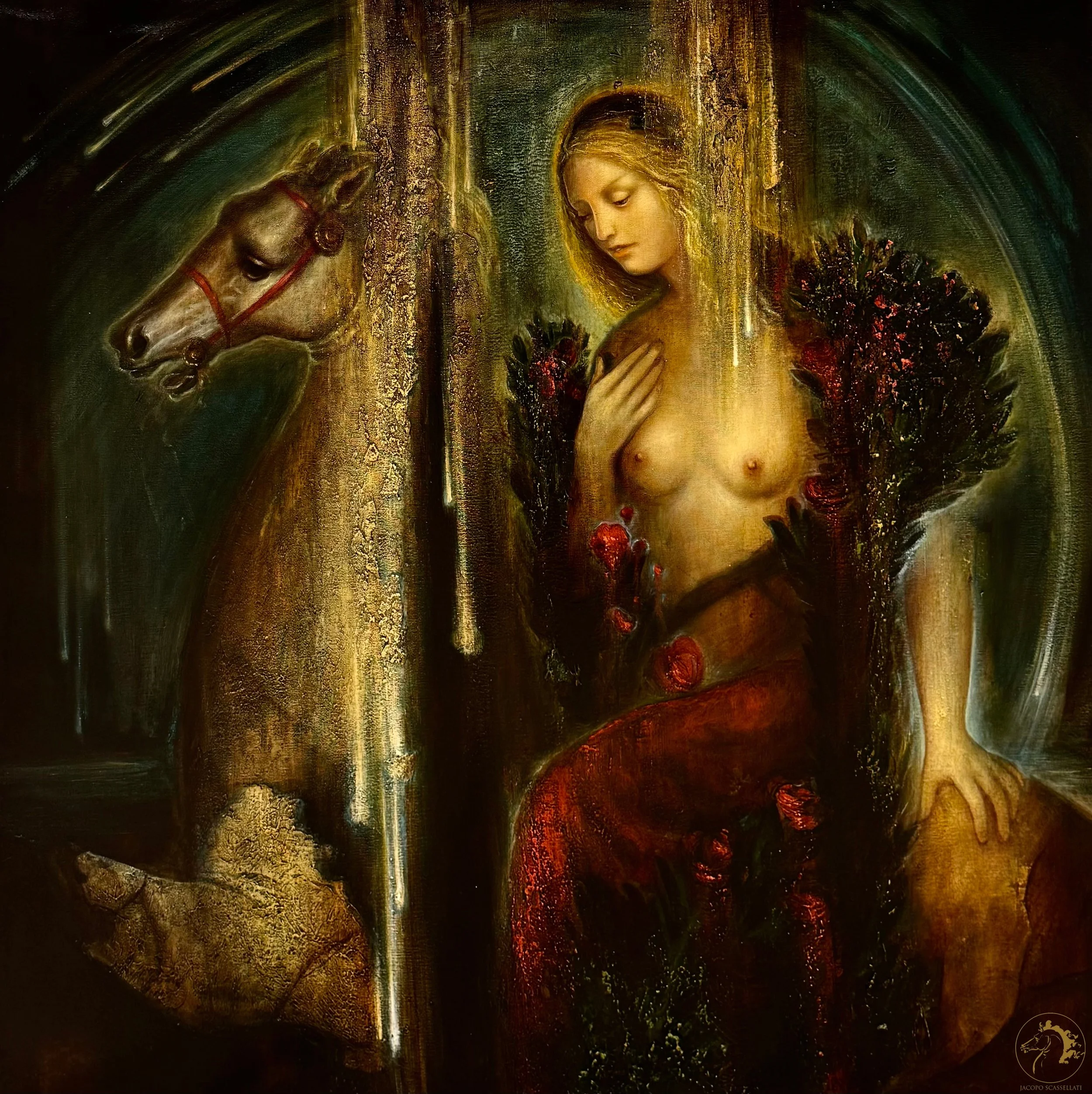
Honey from the Abyss, oil on canvas, 96 x 96 cm, 2025
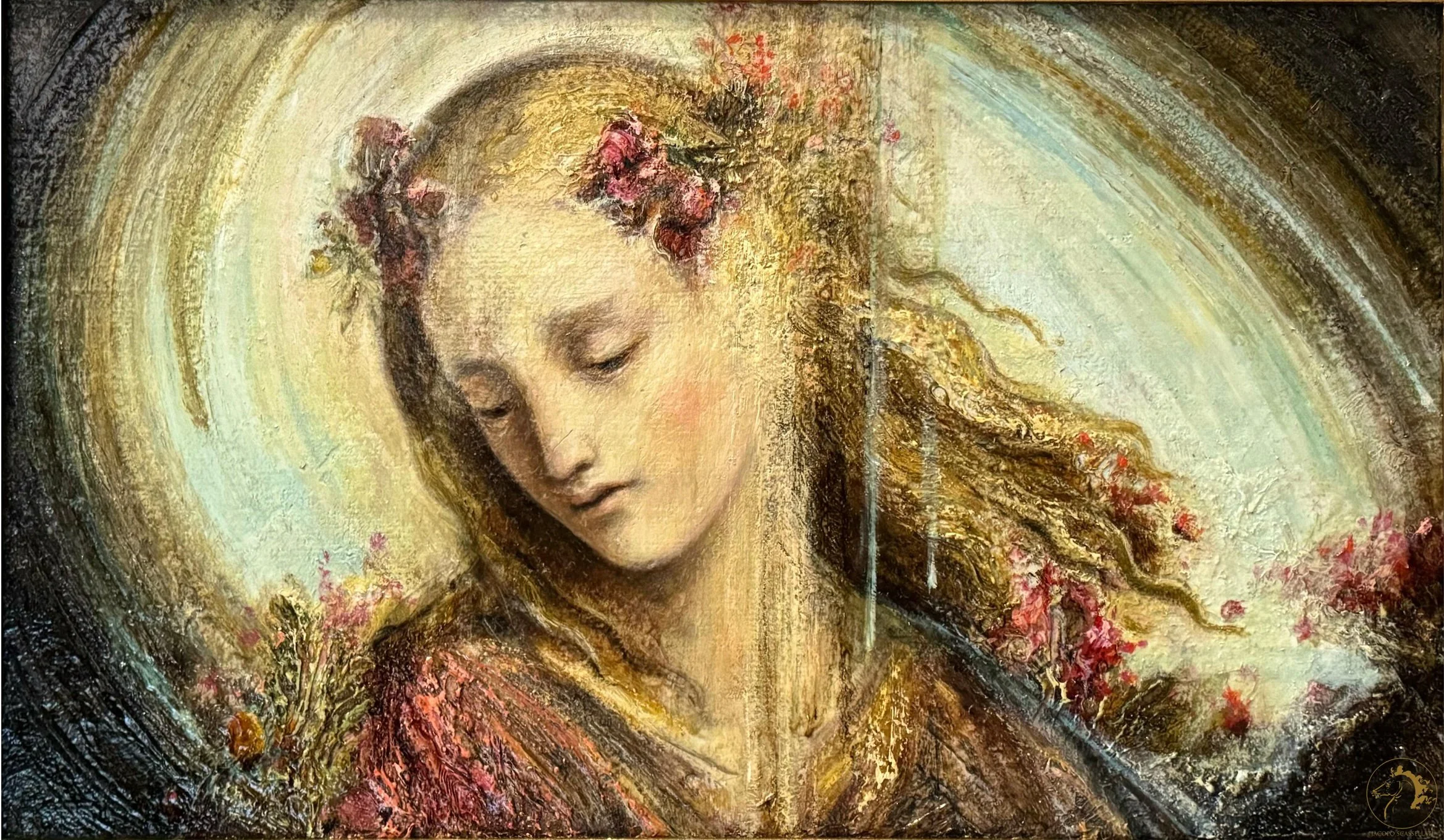
Heart in the Shadows, oil on panel, 38 x 63 cm
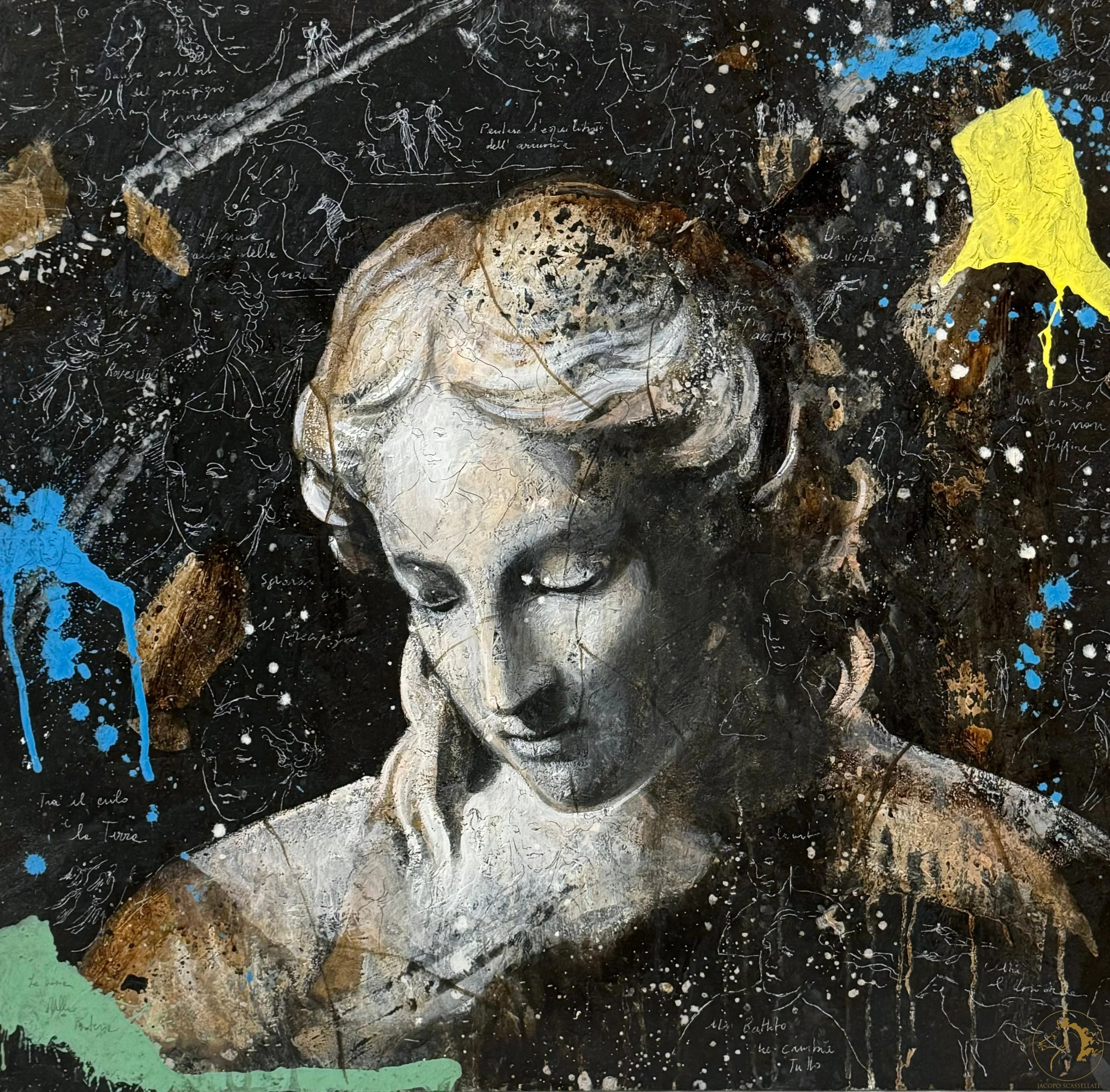
The Vertigo of Grace, oil on panel, 70 x 70 cm
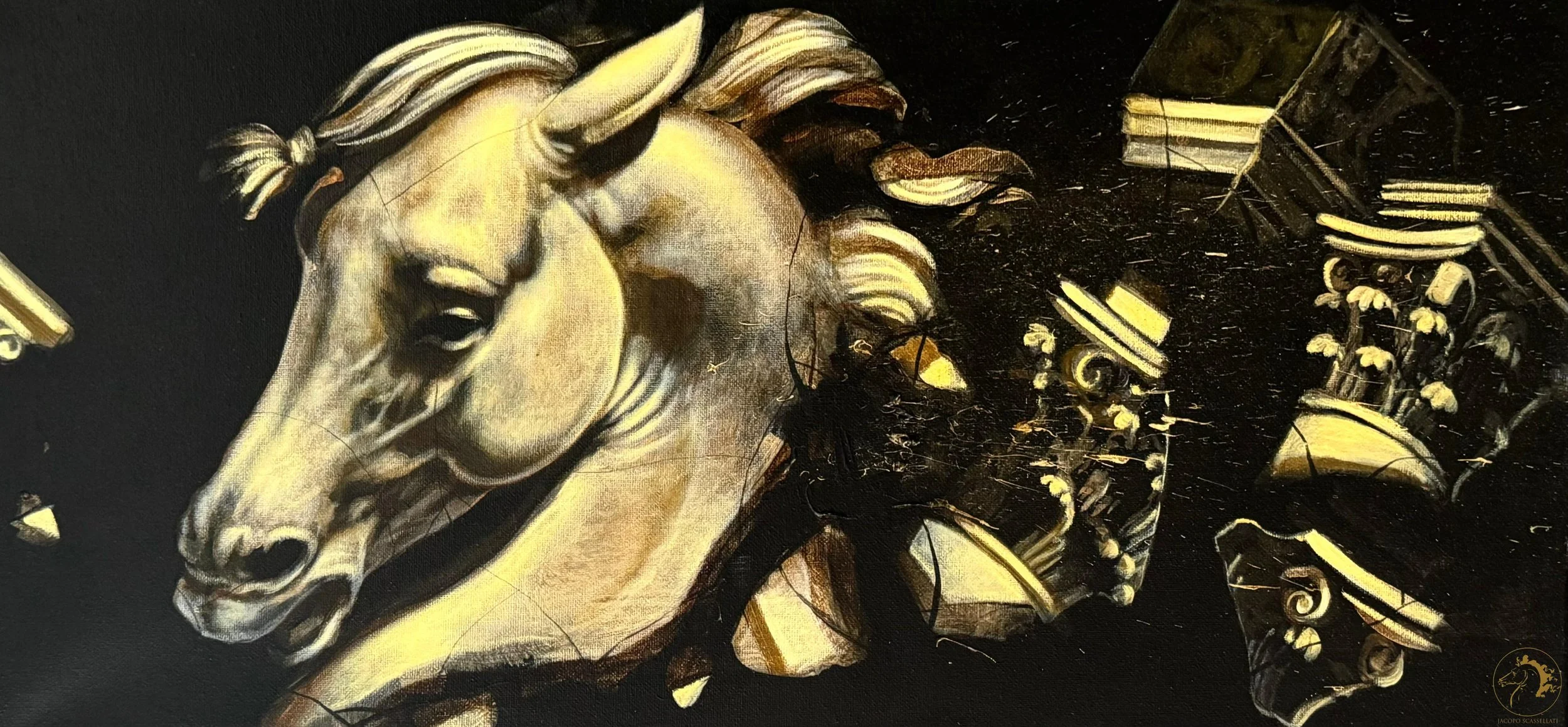
Pegasus, oil on canvas, 30 x 60 cm
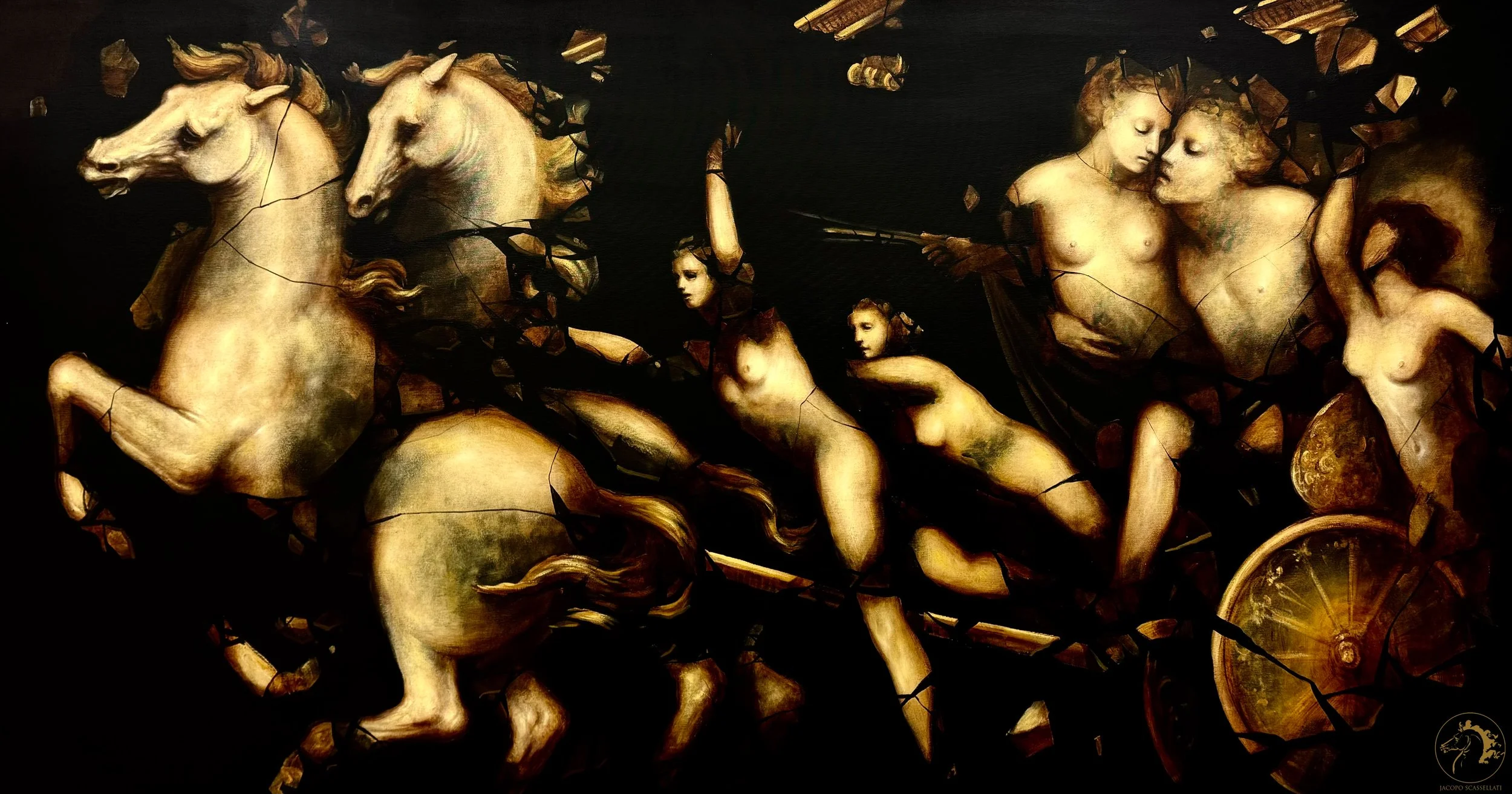
The Chariot of the Gods, oil on canvas, 105 x 200 cm, 2021
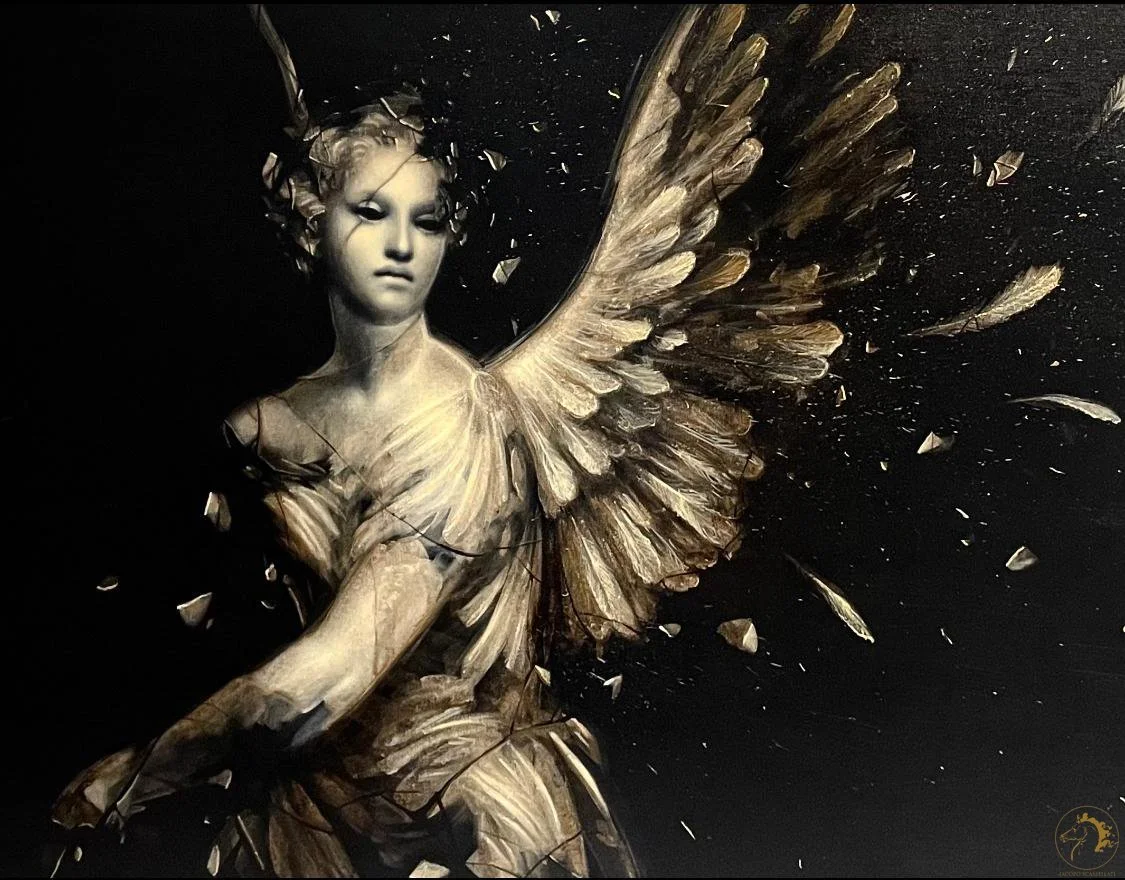
The Moment of Flight, oil on canvas, 140 x 80 cm | Private collection
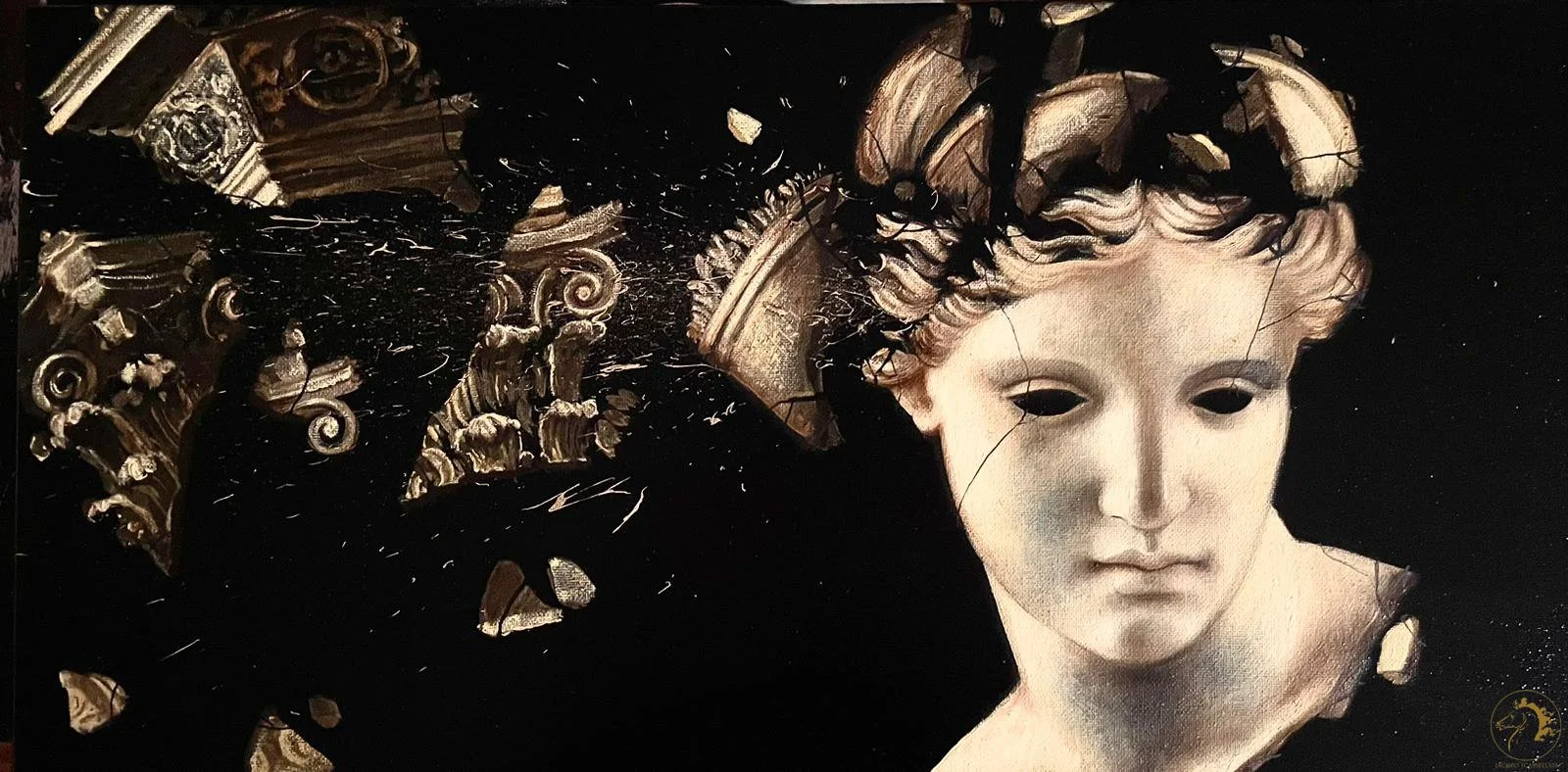
Antiche Memorie (Ancient Memories), oil on canvas, 30 x 60 cm | Private collection
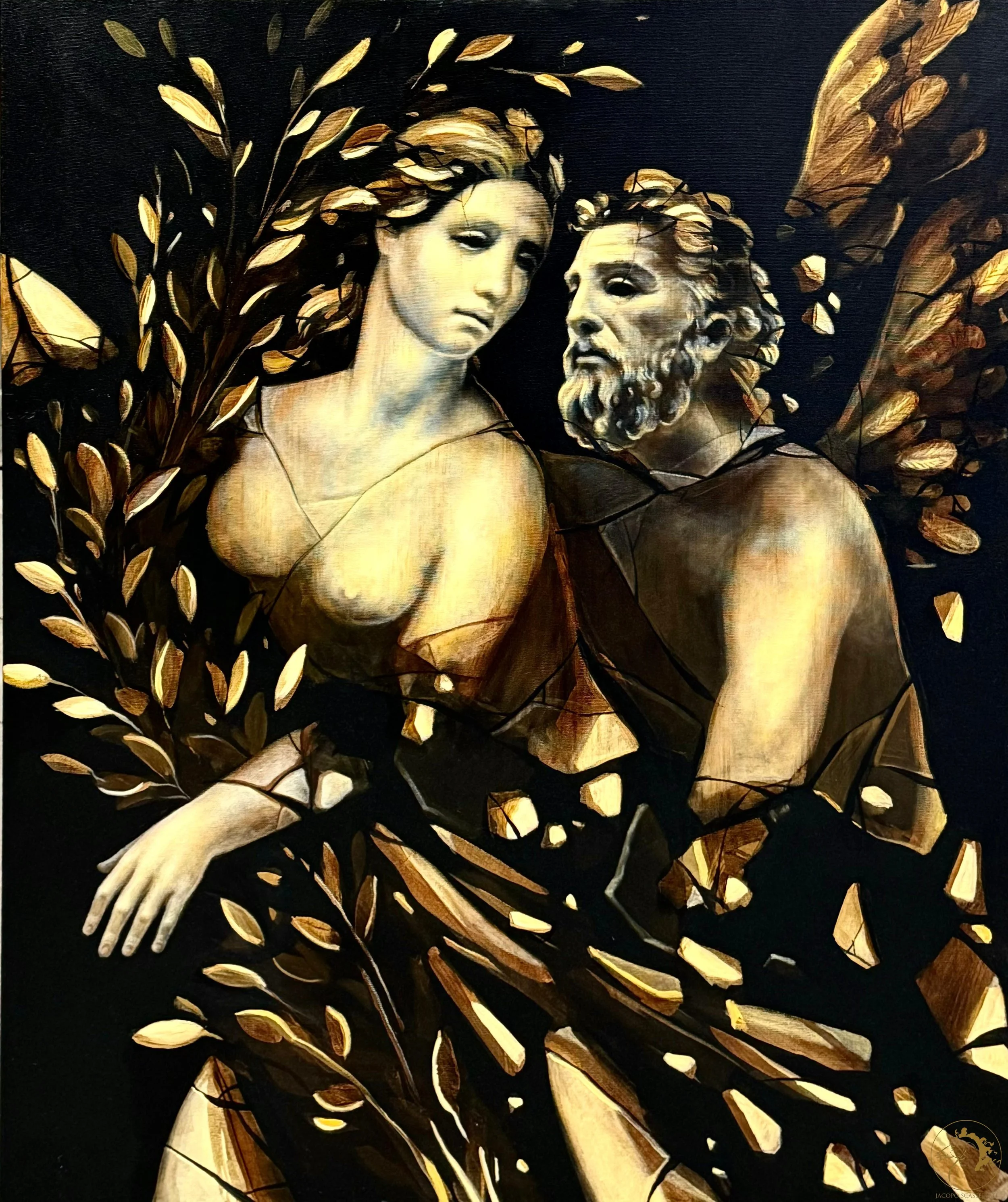
Apollo and Daphne, oil on canvas, 100 x 80 cm
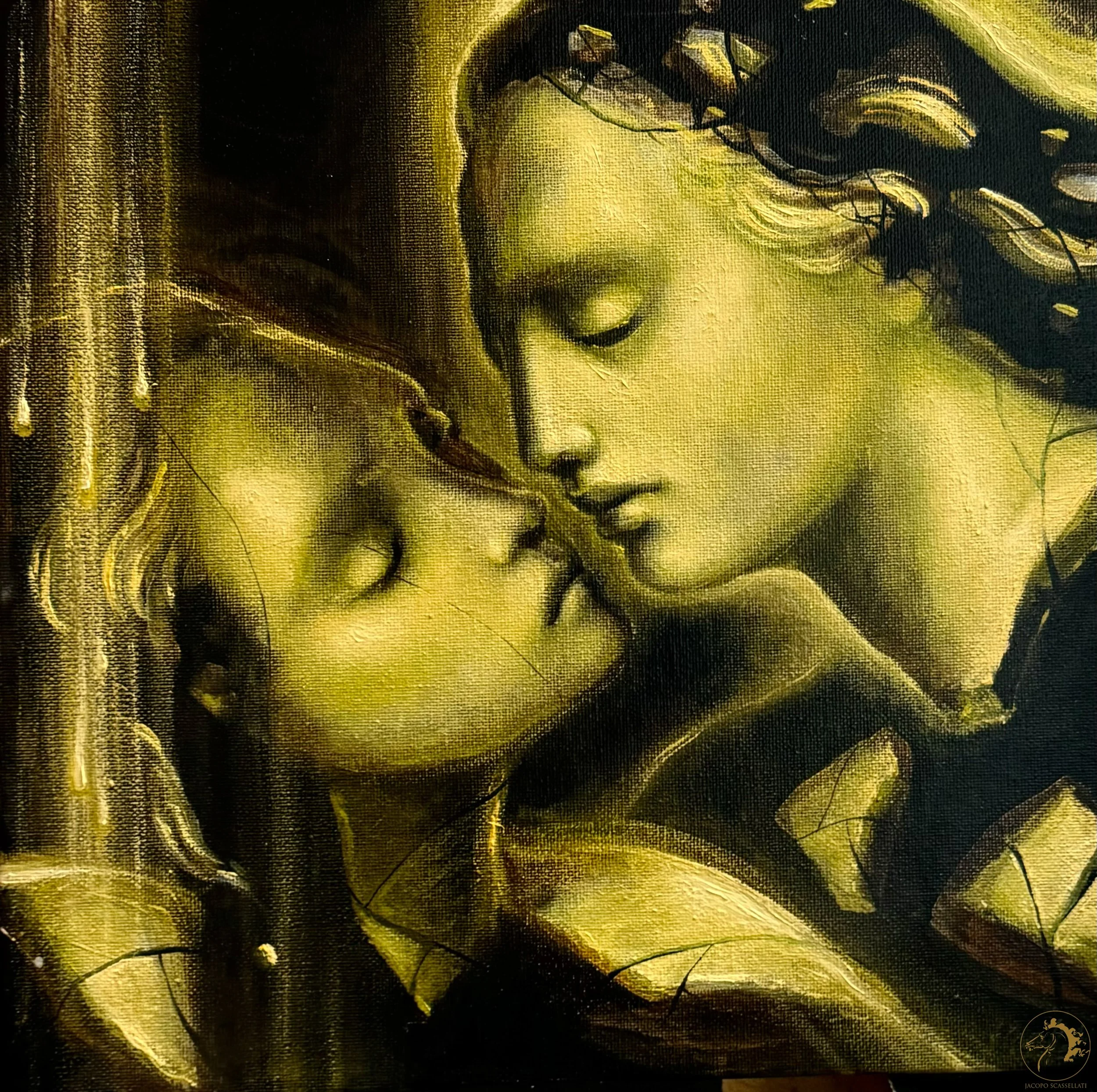
Ash Kisses, oil on canvas, 30 x 30 cm, 2022
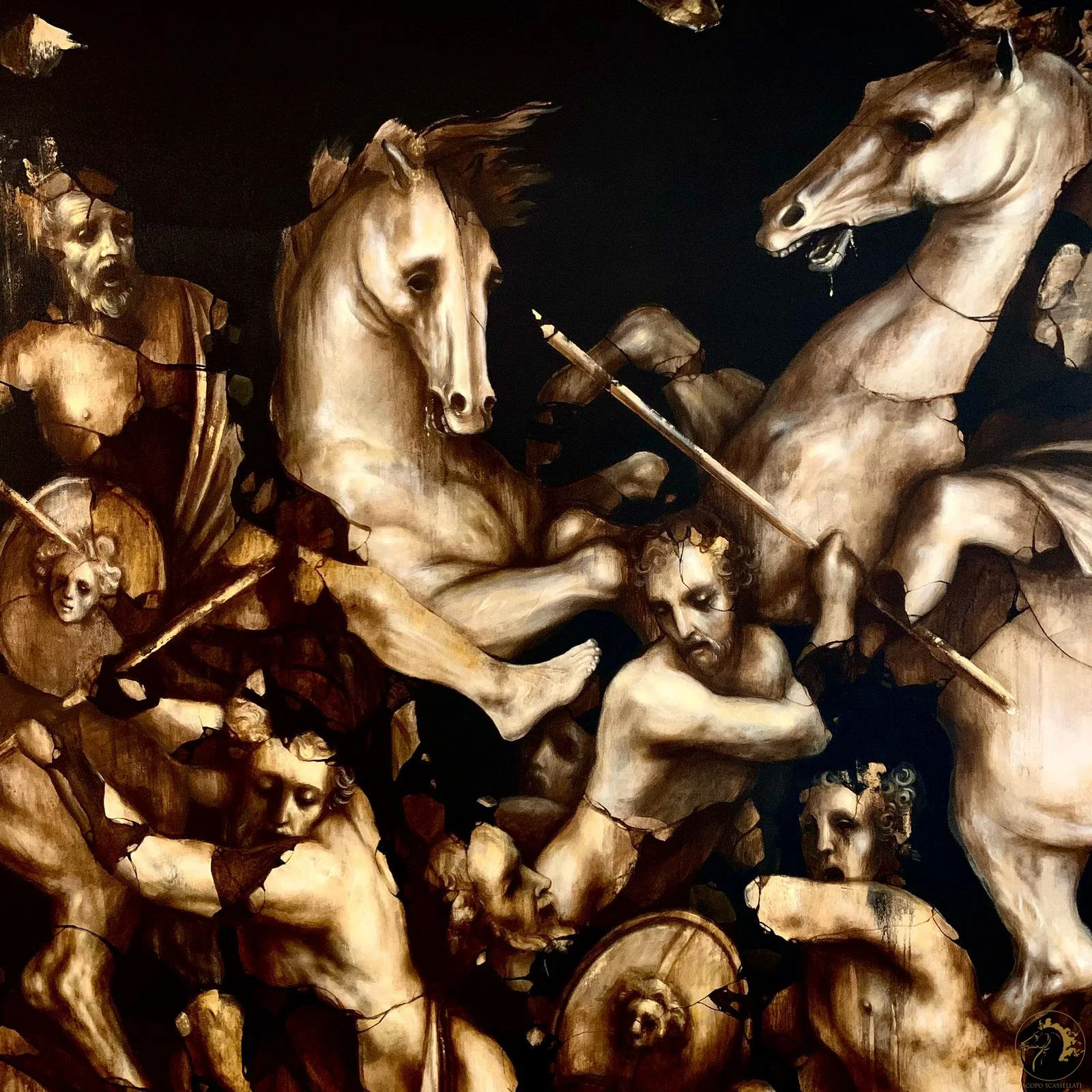
Broken, The Language of Fragments, oil on canvas, 135 x 95 inches
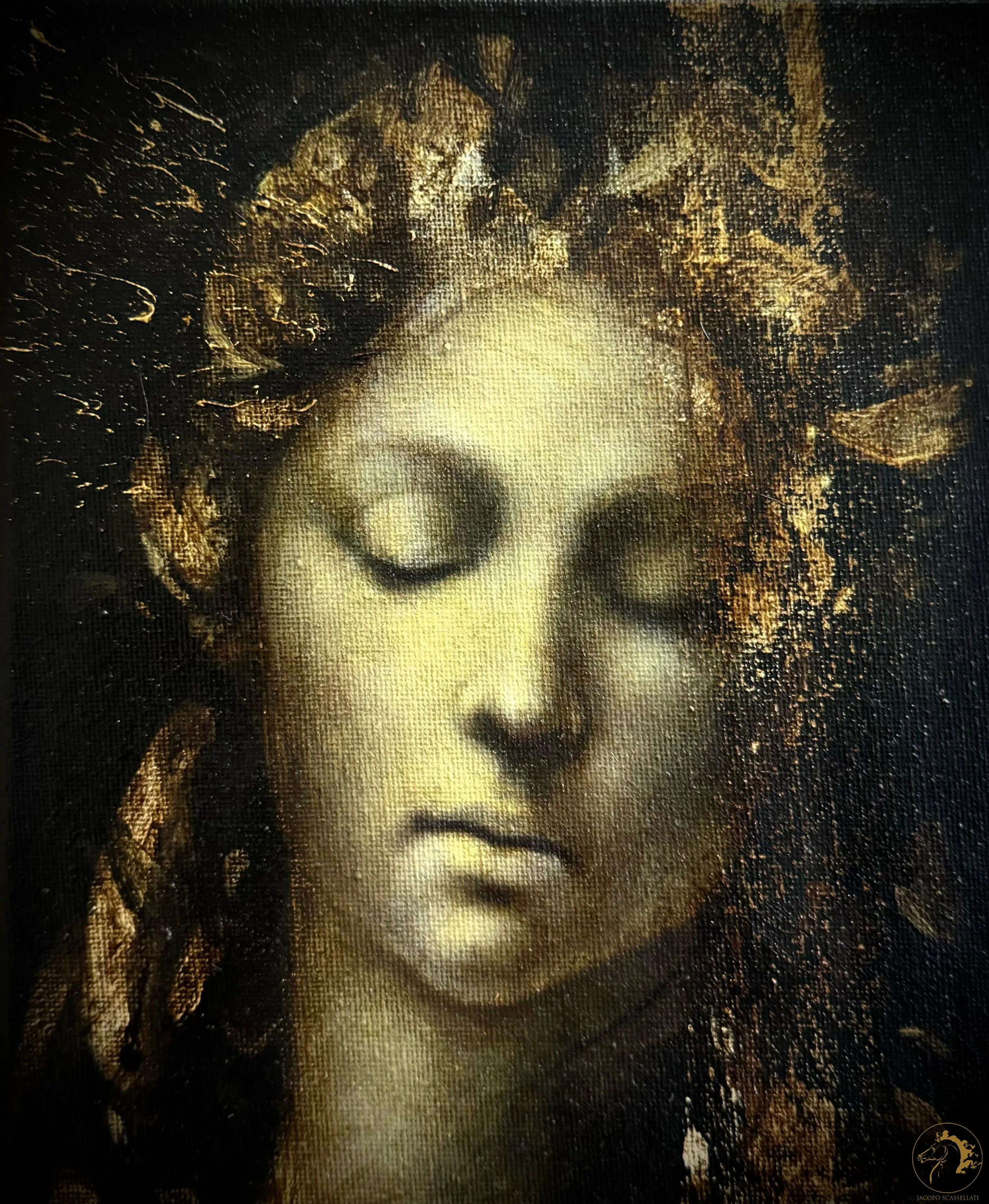
Danae, oil on canvas, 18 x 24 cm
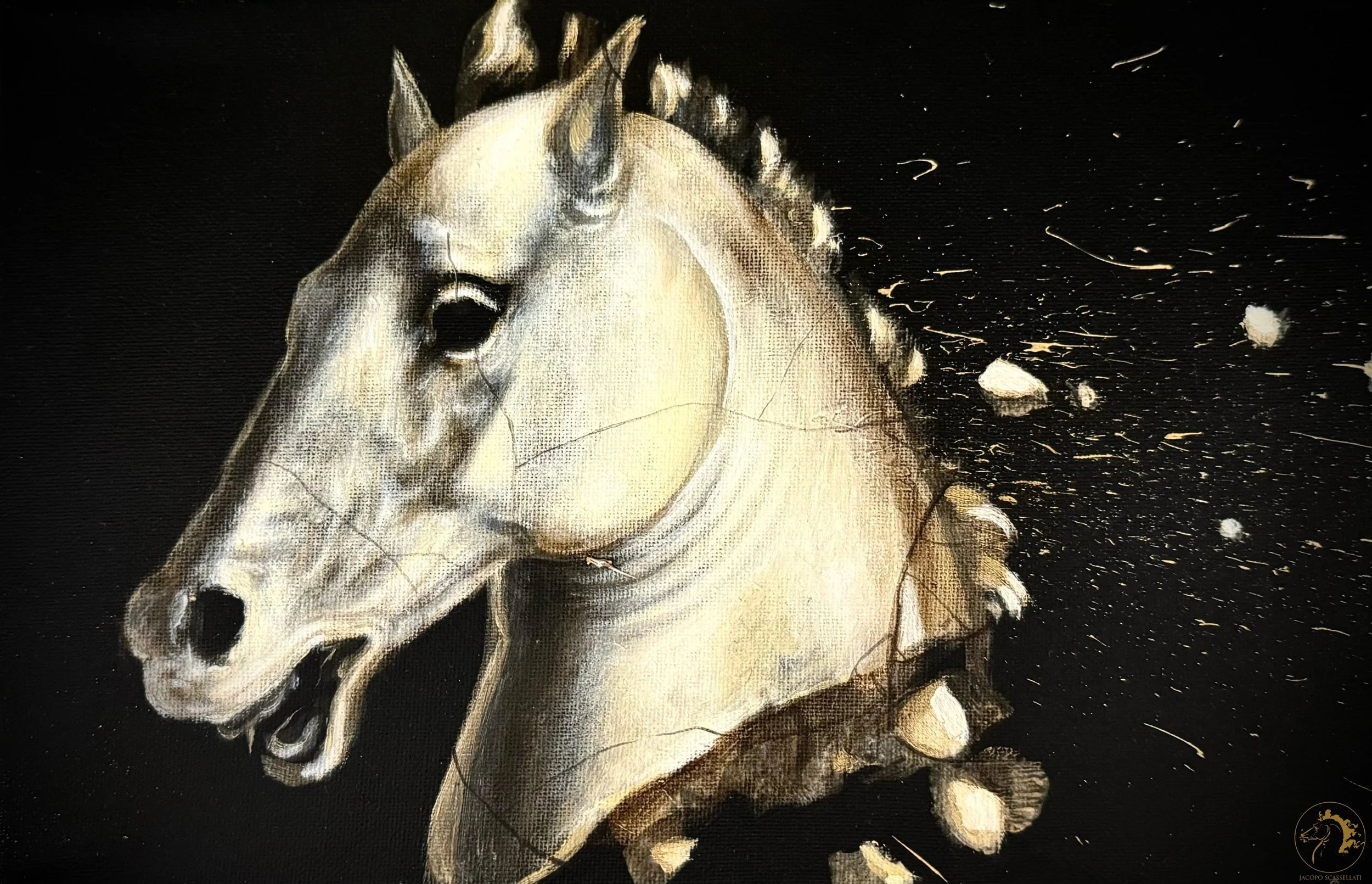
Equid, oil on canvas, 20 x 30 cm
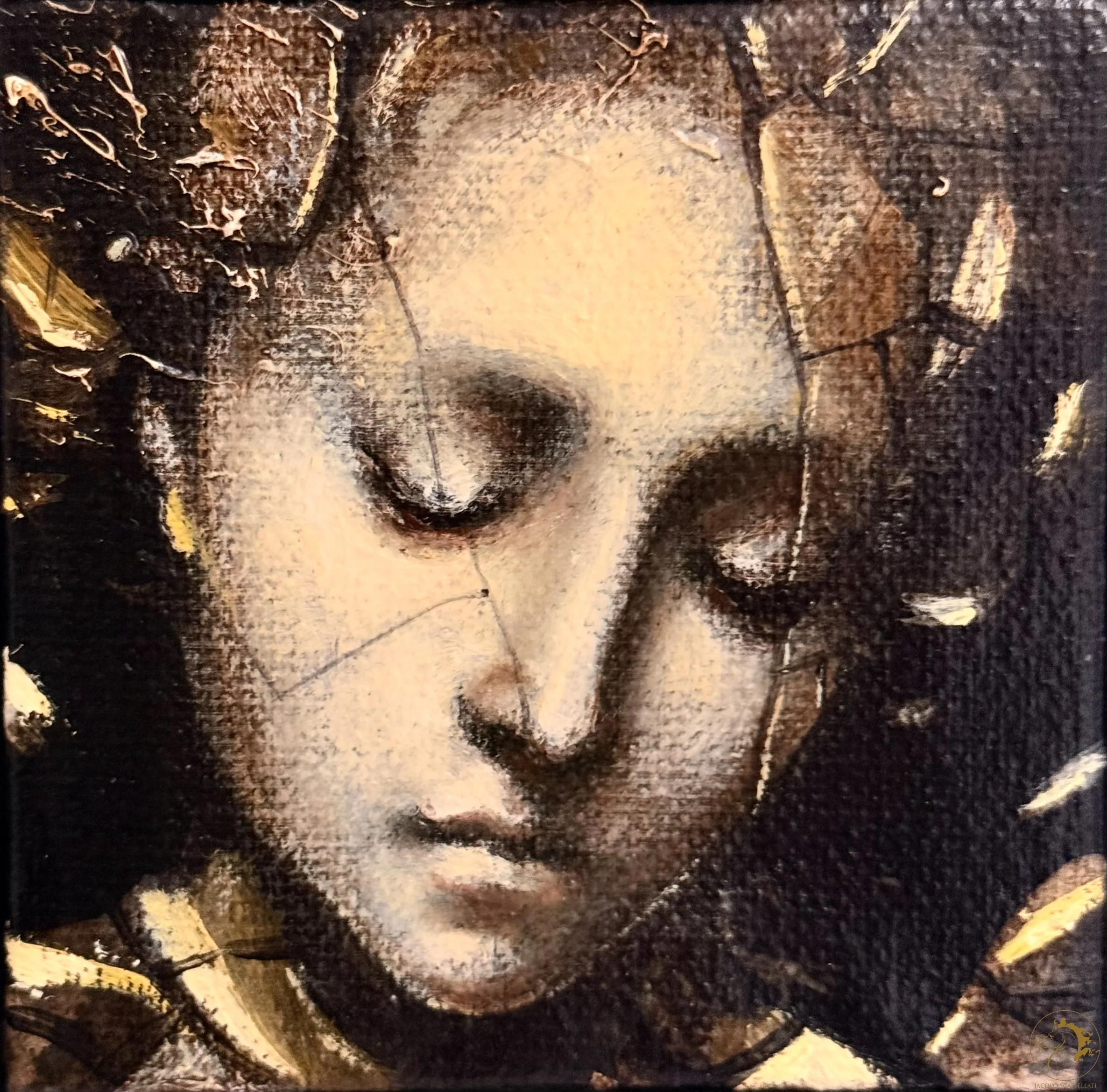
Ecstasy of Beauty, oil on canvas, 9 x 9 cm
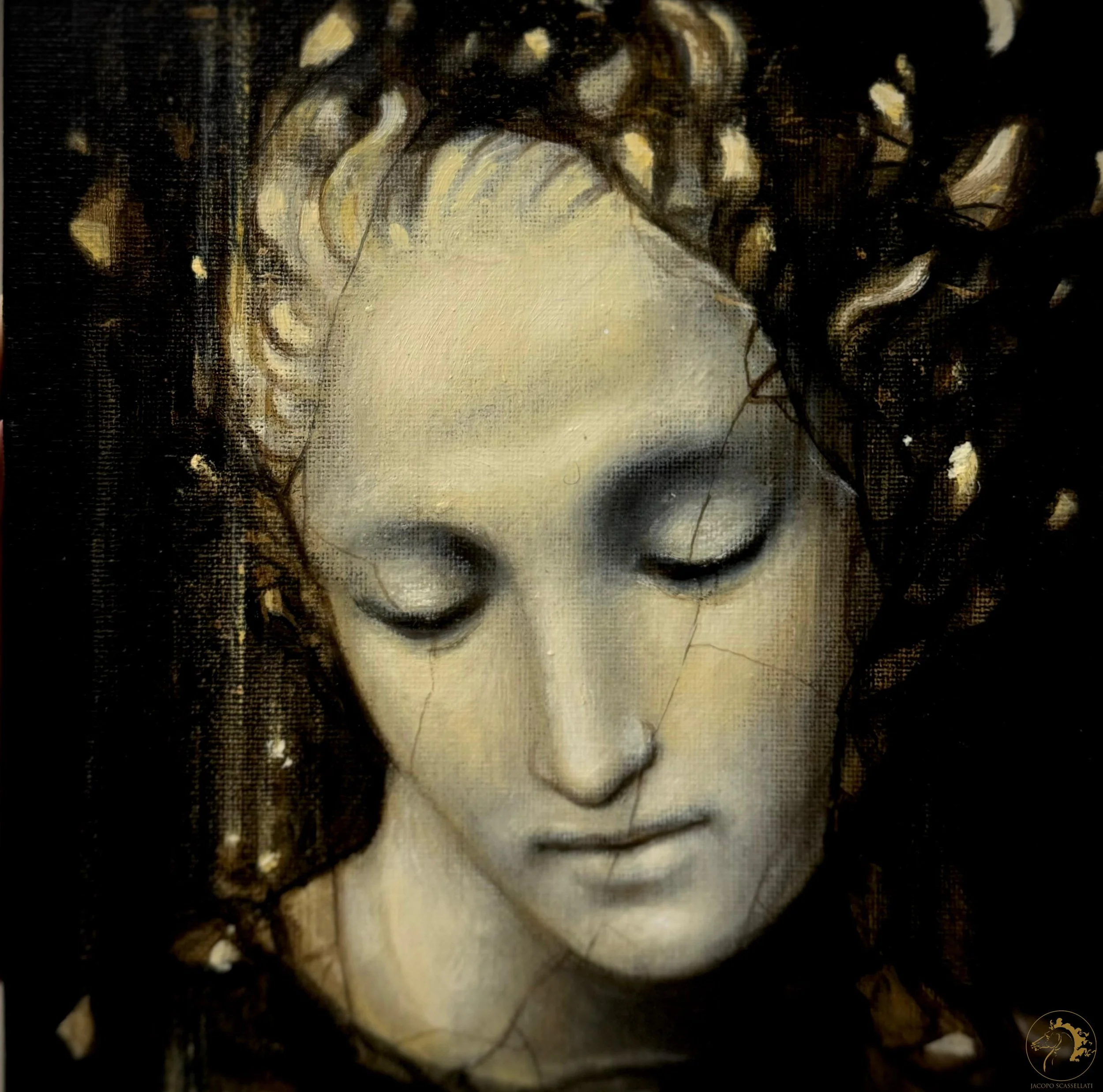
Divine Grace, oil on canvas, 8 x 8 inches
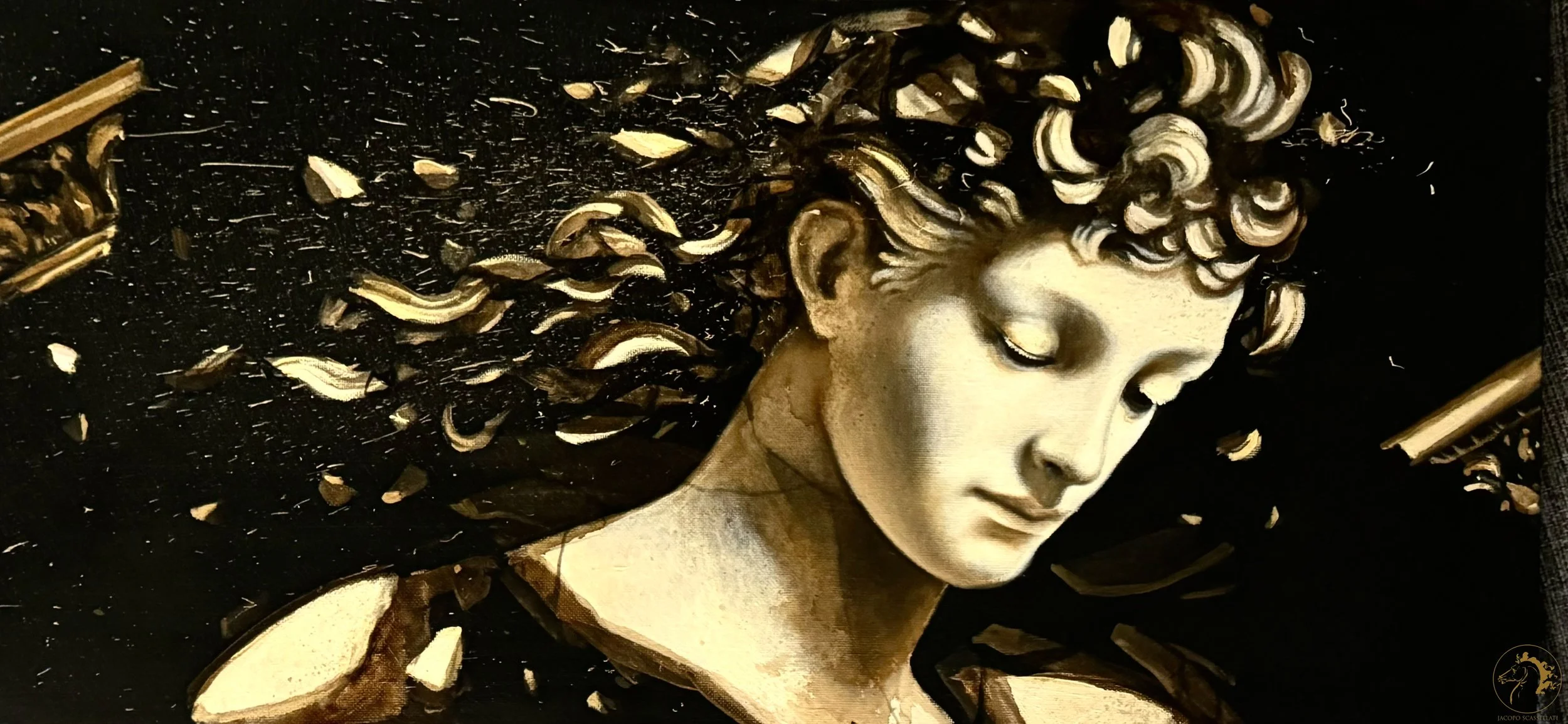
The Body of the Moon 1, diptych, oil on canvas, 30 x 60 cm, 2024 | Private collection
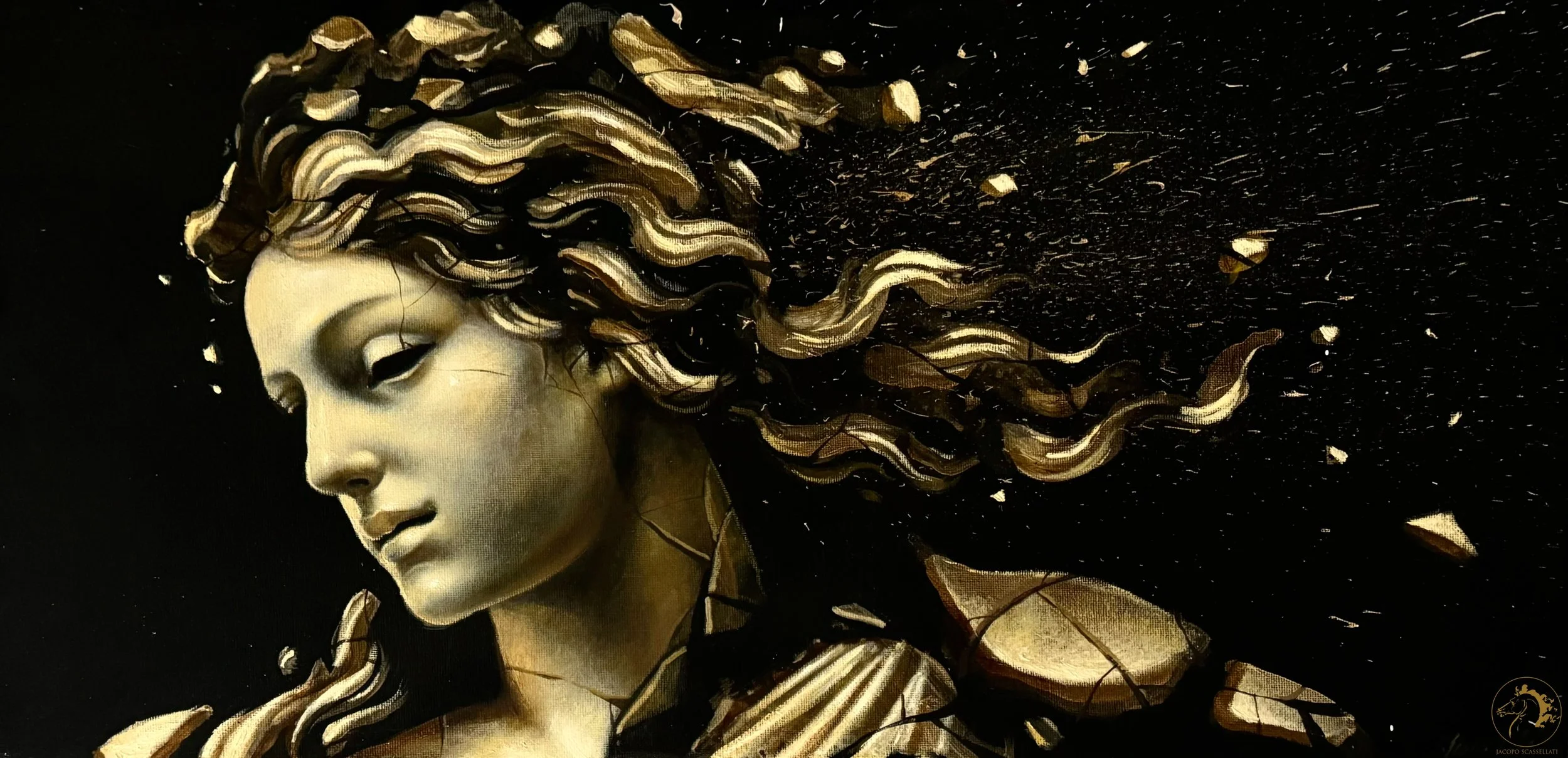
Il Corpo della Luna 2 (The Body of the Moon 2), diptych, oil on canvas, 30 x 60 cm, 2024 | Private collection
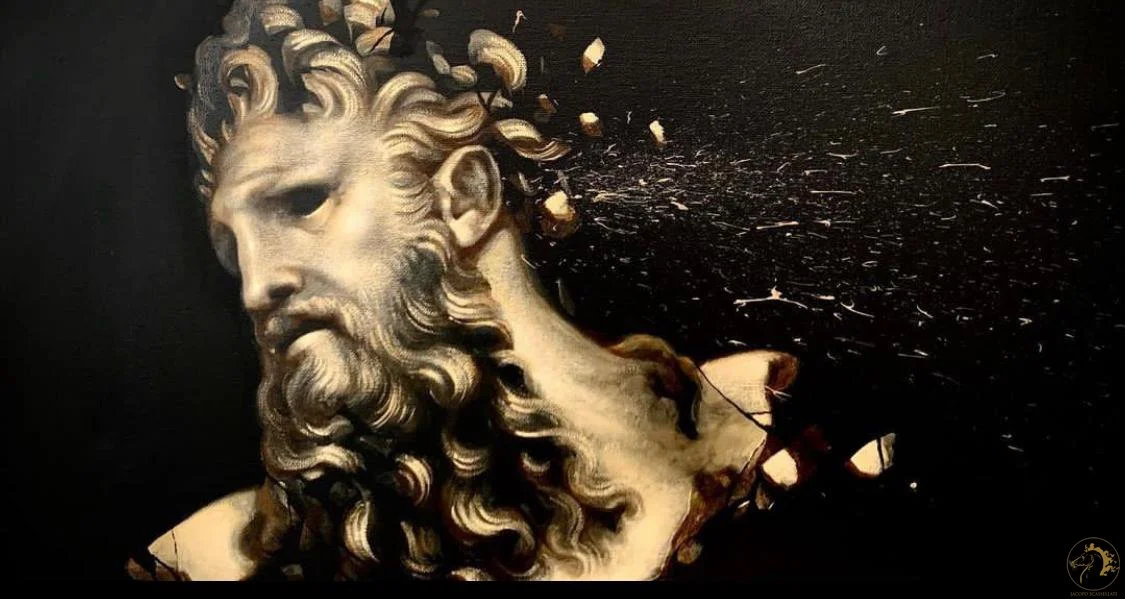
The Thought of Socrates, oil on canvas, 30 x 60 cm | Private collection
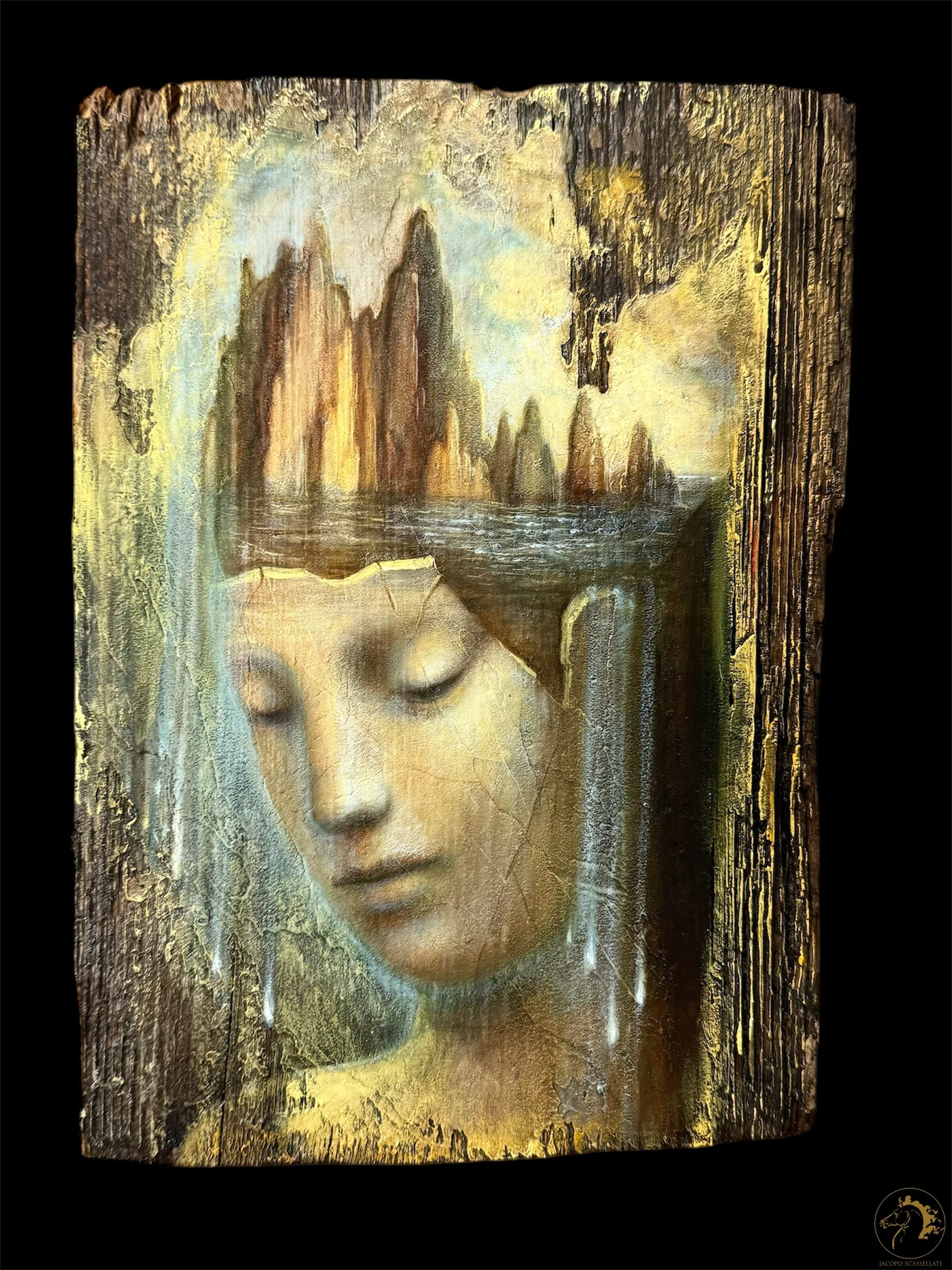
Memory of a Distant Sea, oil on panel, 26 x 19 cm, 2023 | Private collection
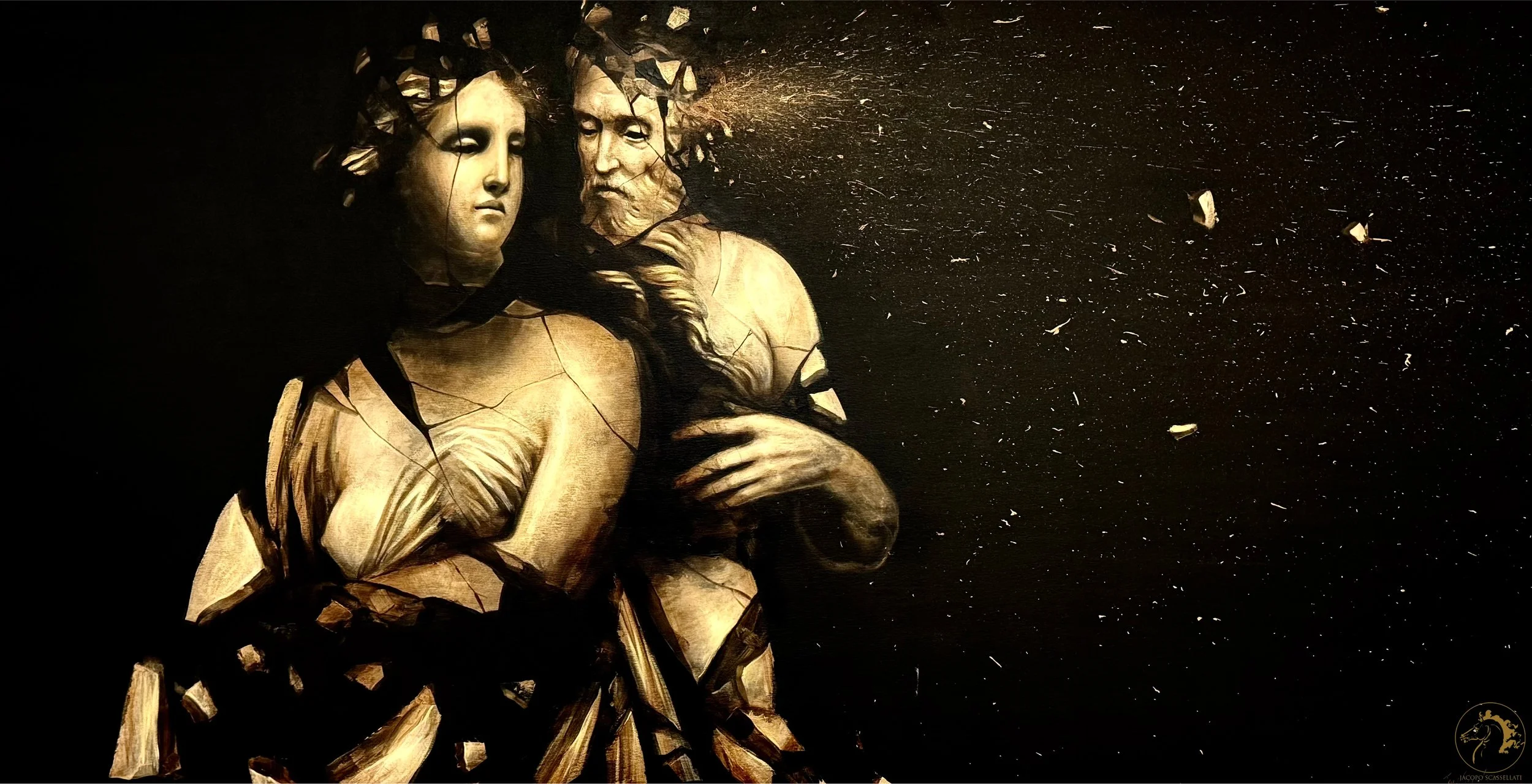
The Return of Ulysses, oil on canvas, 95 x 180 cm, 2021 | Private collection
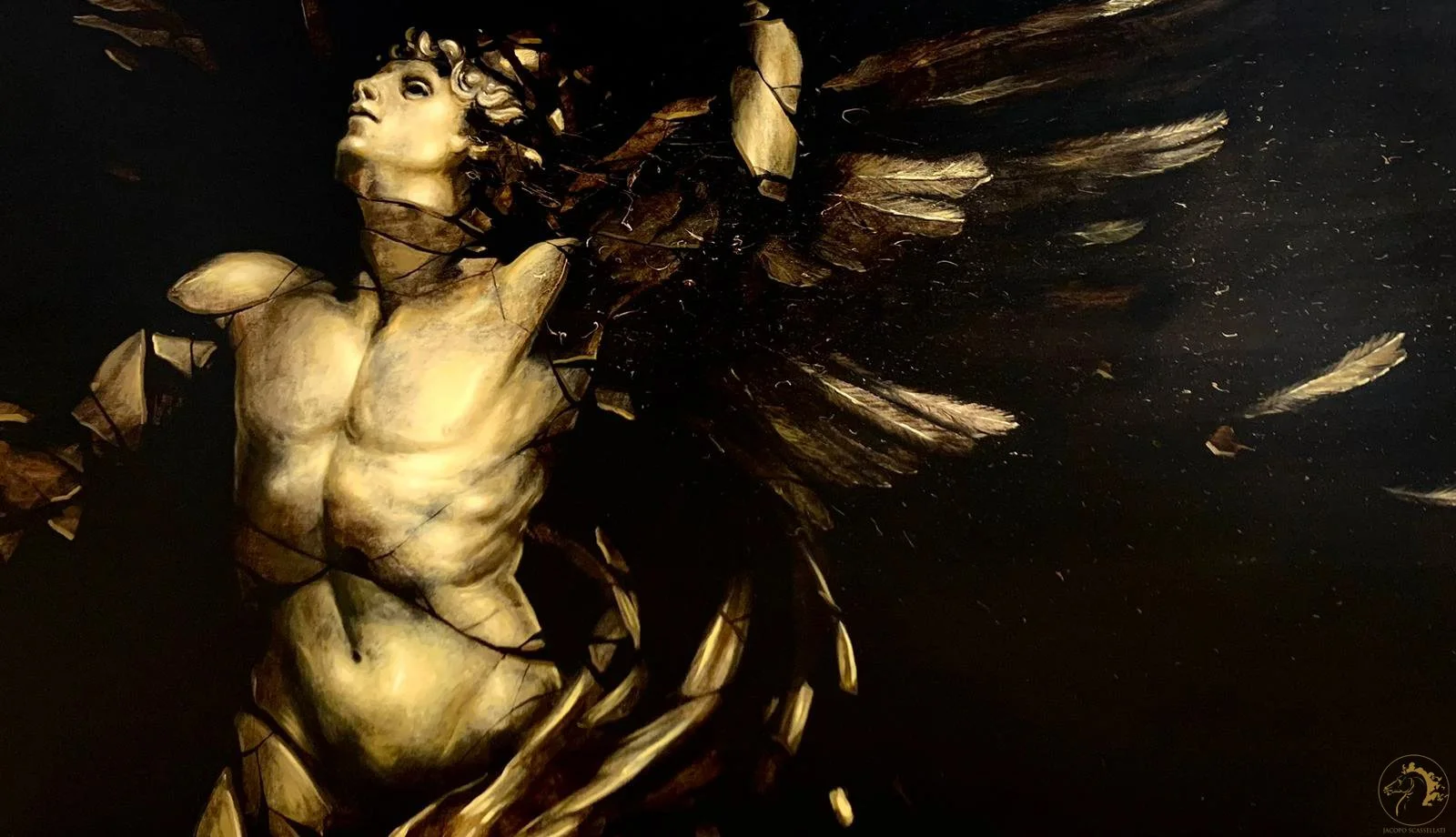
The Flight of Icarus, oil on canvas, 200 x 150 cm | Private collection
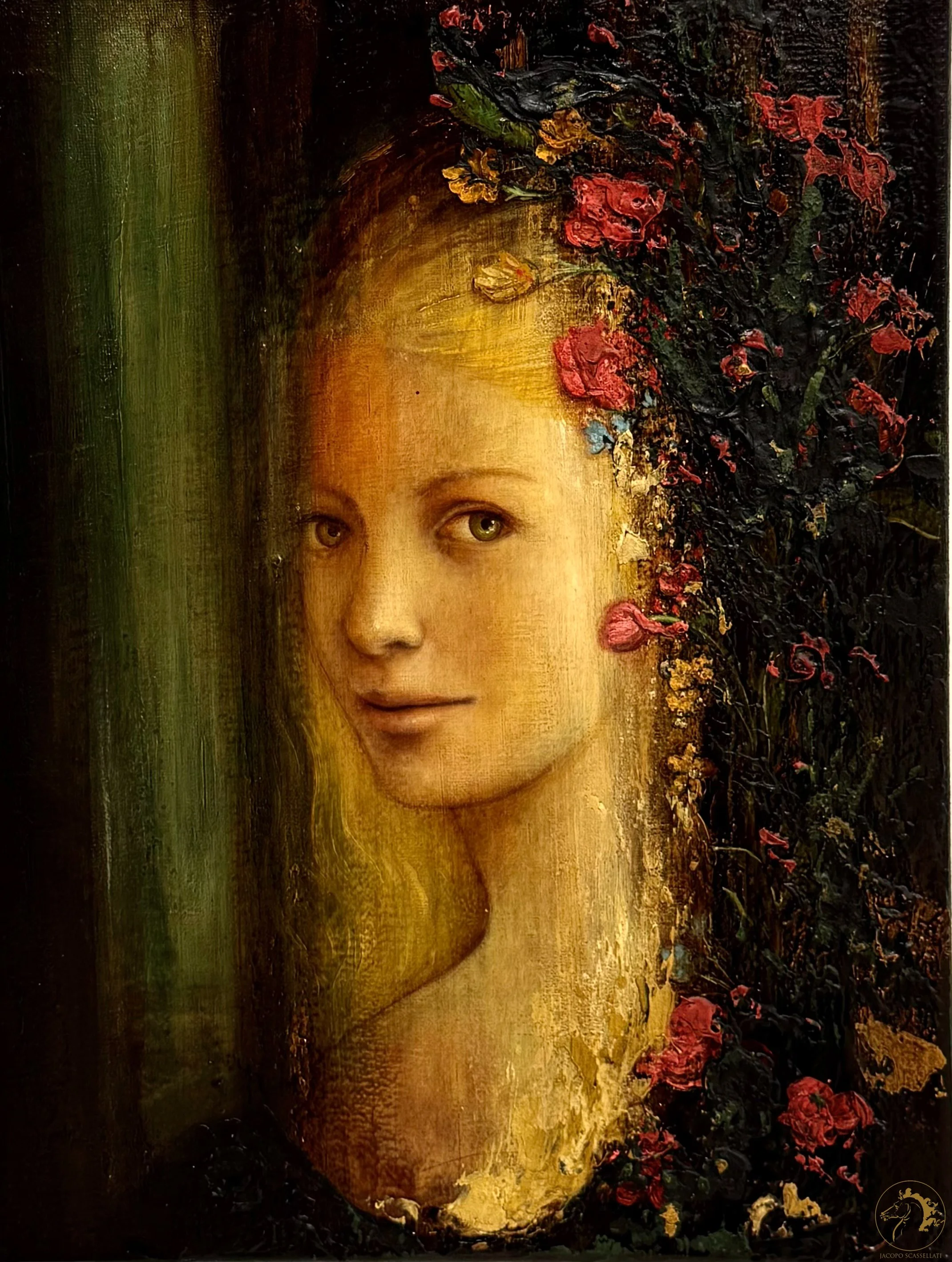
The Face of Water, oil on canvas, 40 x 30 cm, 2025 | Private collection
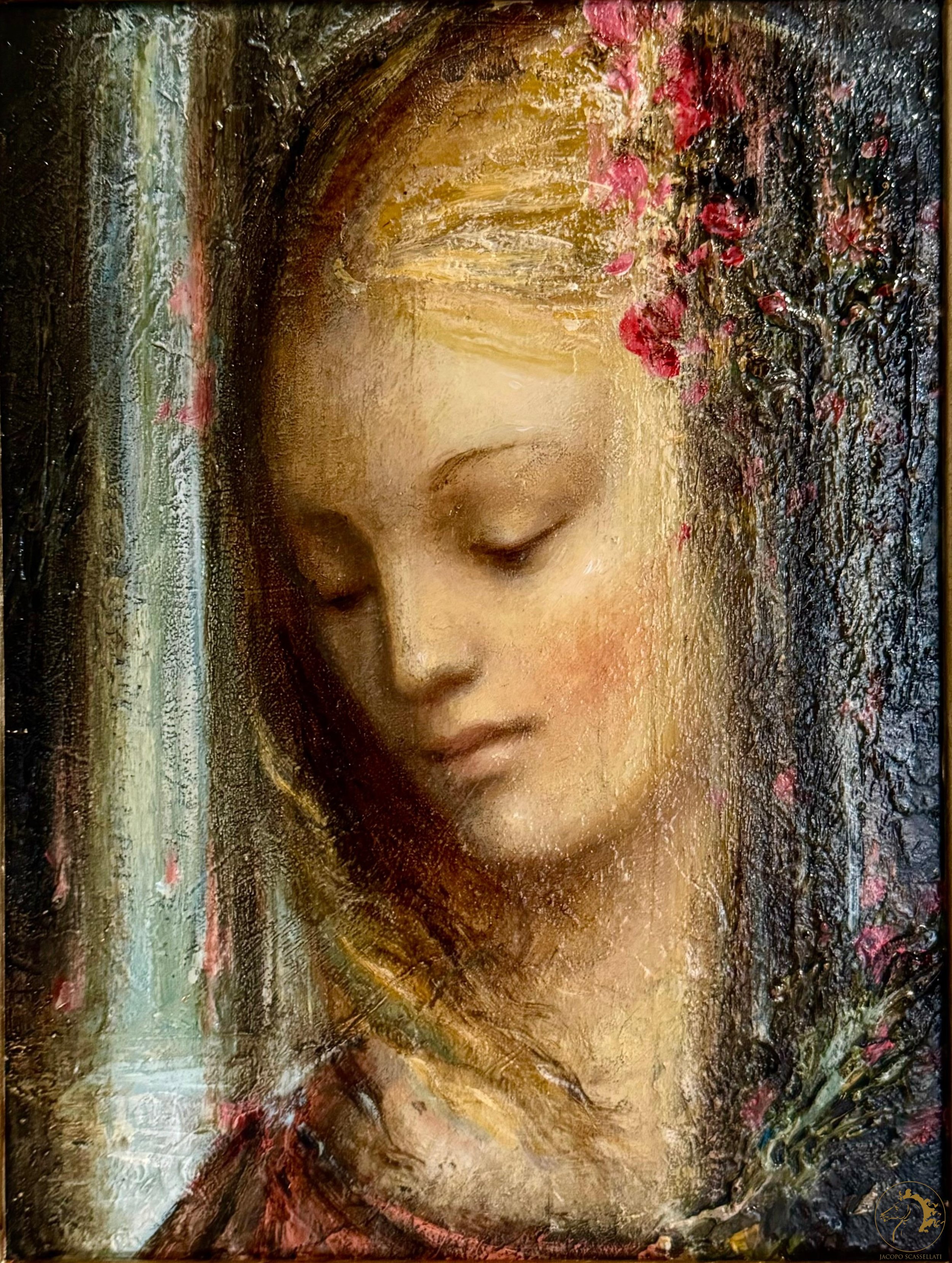
Enchantment of Light, oil on panel, 24 x 31 cm
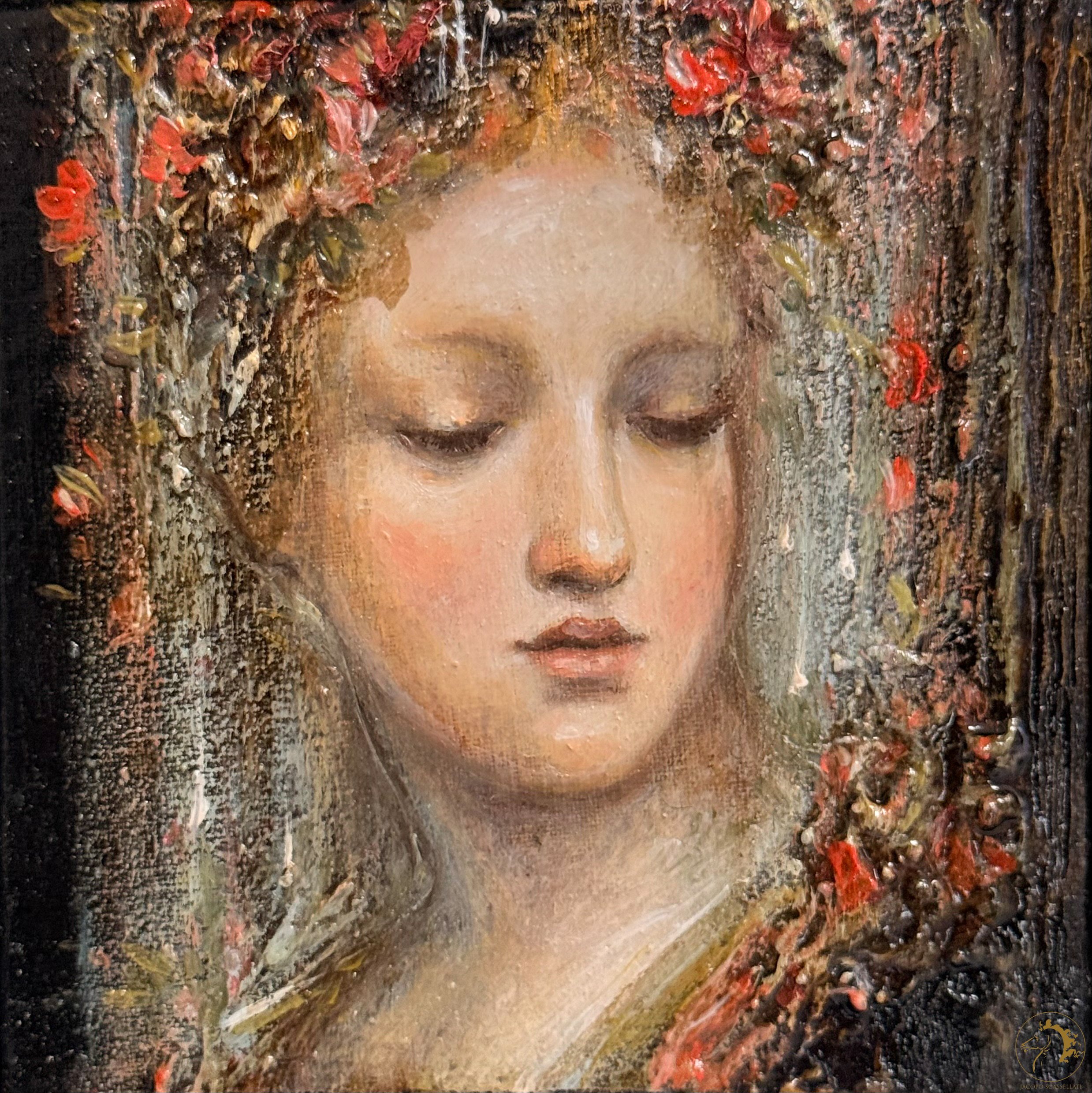
The Echo of Light, oil on canvas, 9 x 9 cm | Private collection
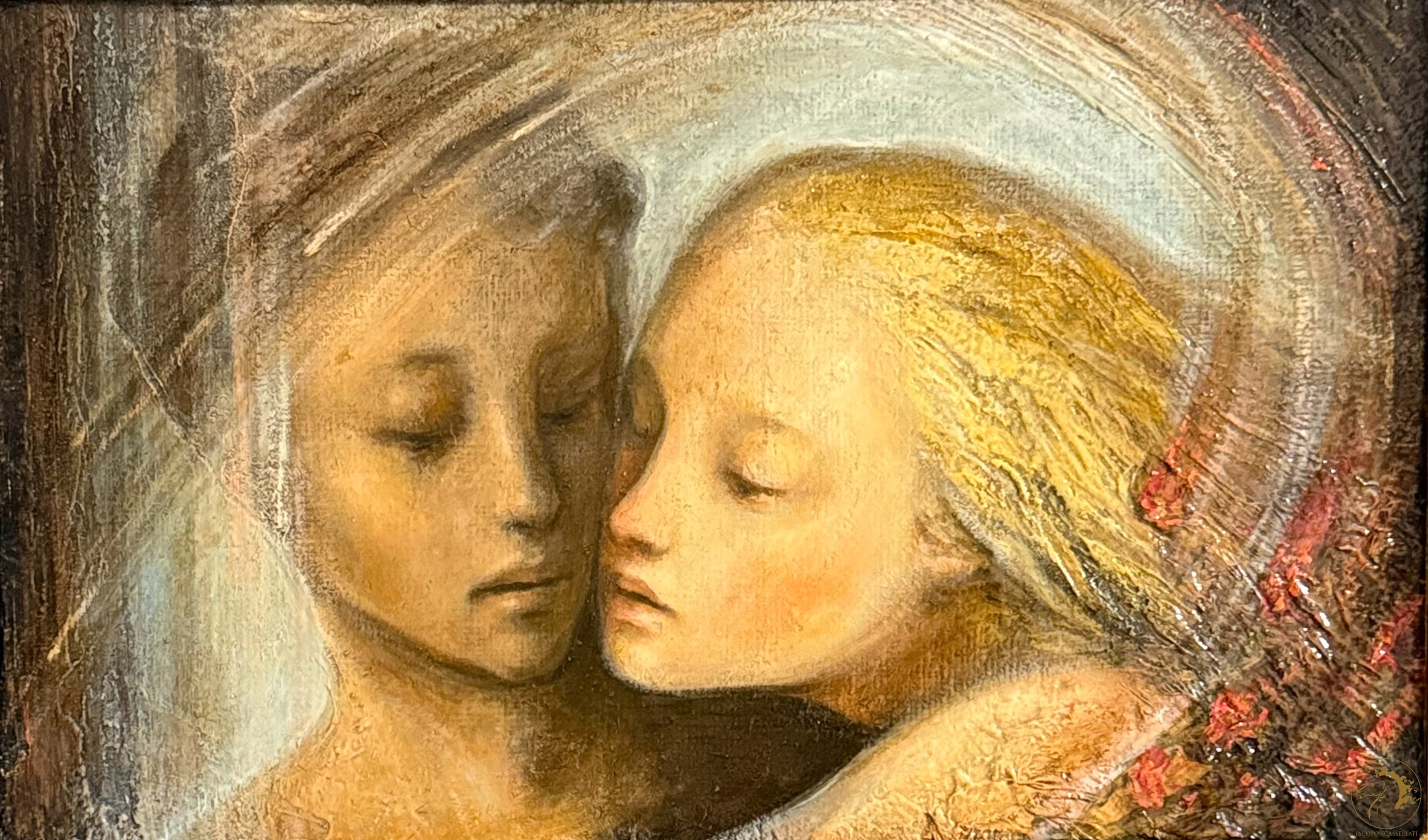
The Ecstasy of the Kiss, oil on panel, 50 x 34 cm
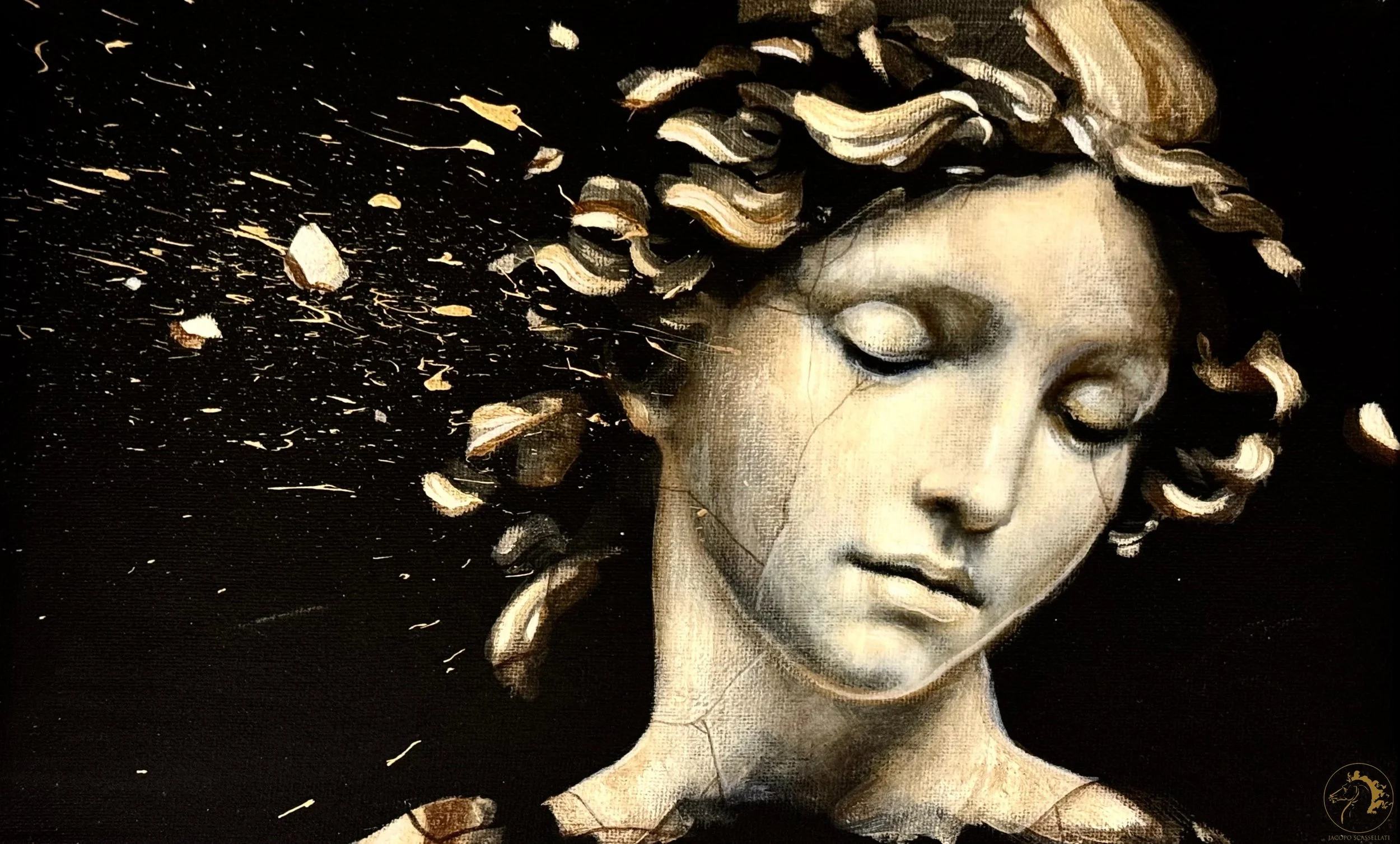
The Ecstasy of Beauty, oil on canvas, 20 x 30 cm
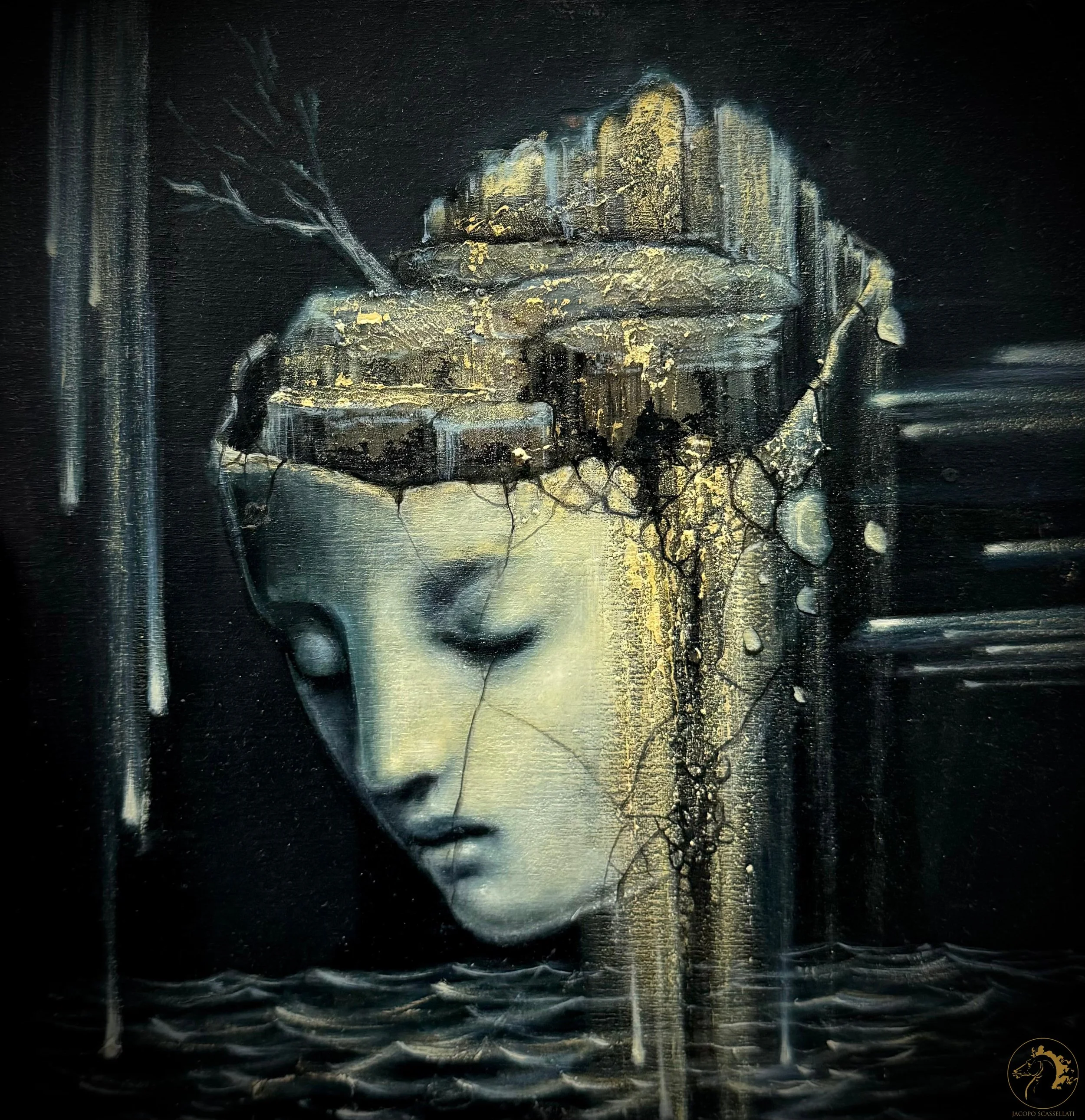
The Winter of the Mind, oil on panel, 30 x 30 cm
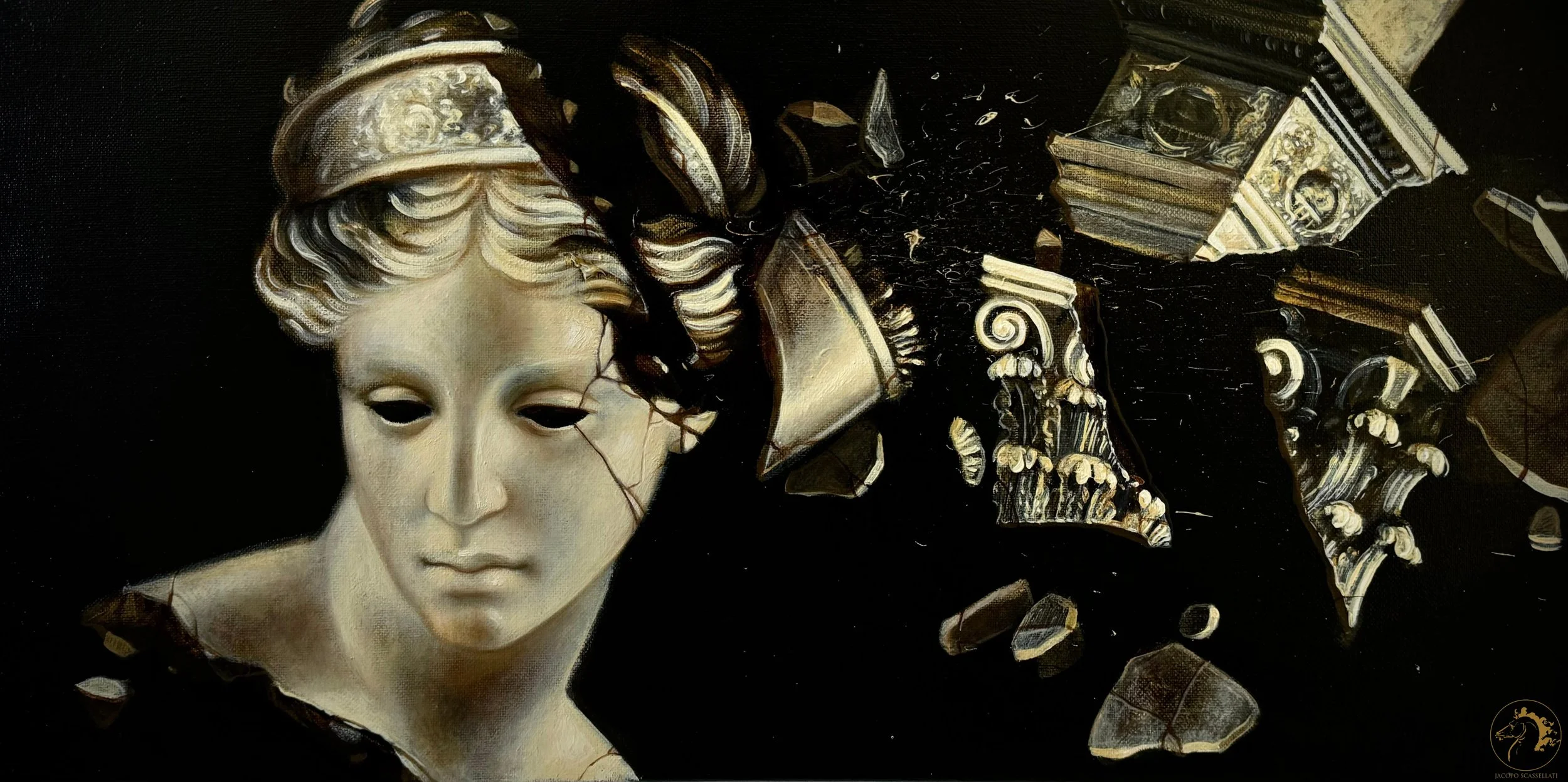
The Fragility of the Eternal, oil on canvas, 30 x 60 cm | Private collection
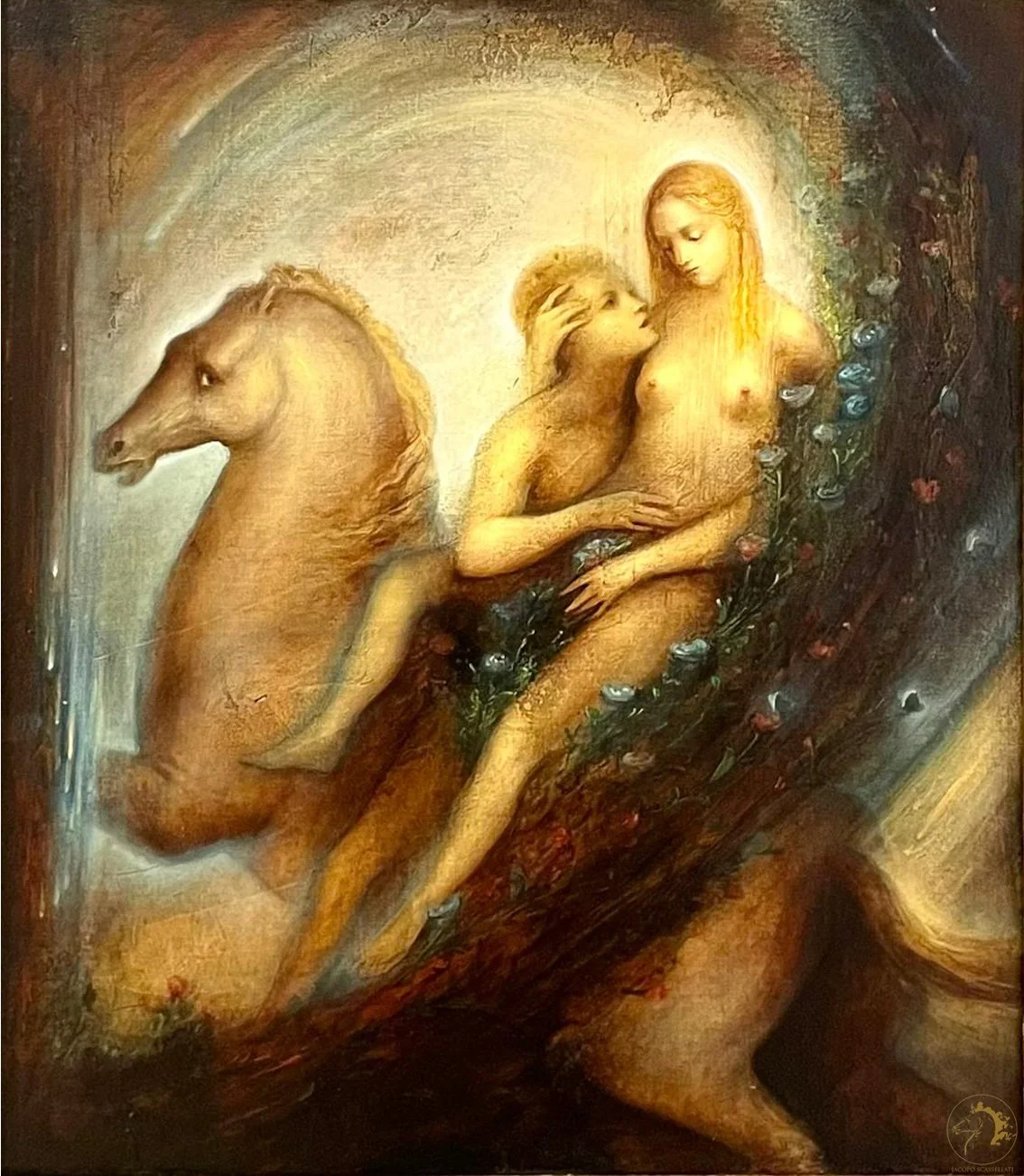
La Primavera del Bacio (The Spring of the Kiss), oil on panel, 50 x 40 cm | Private collection
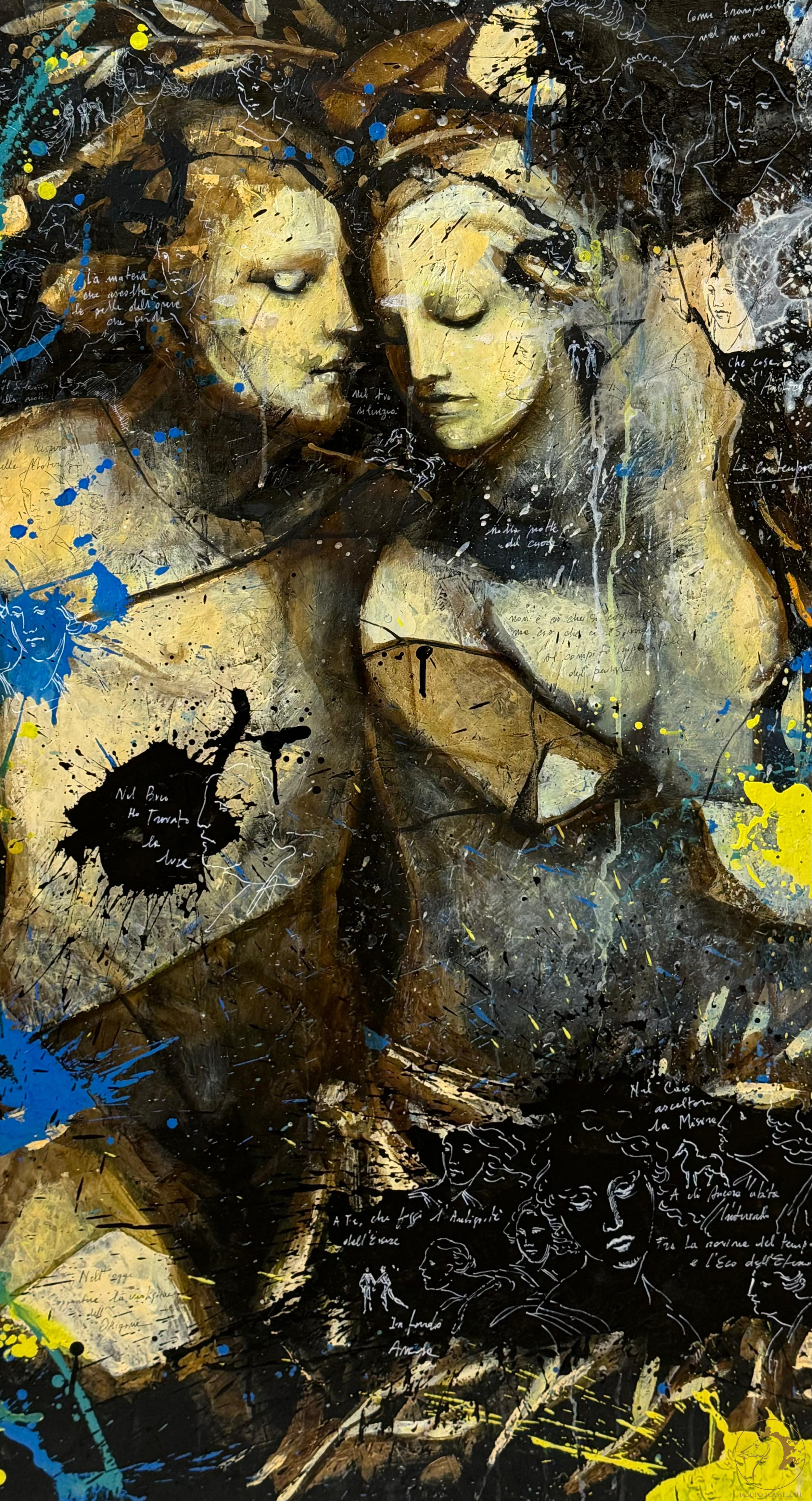
The Vertigo of Grace, oil on panel, 62 x 115 cm
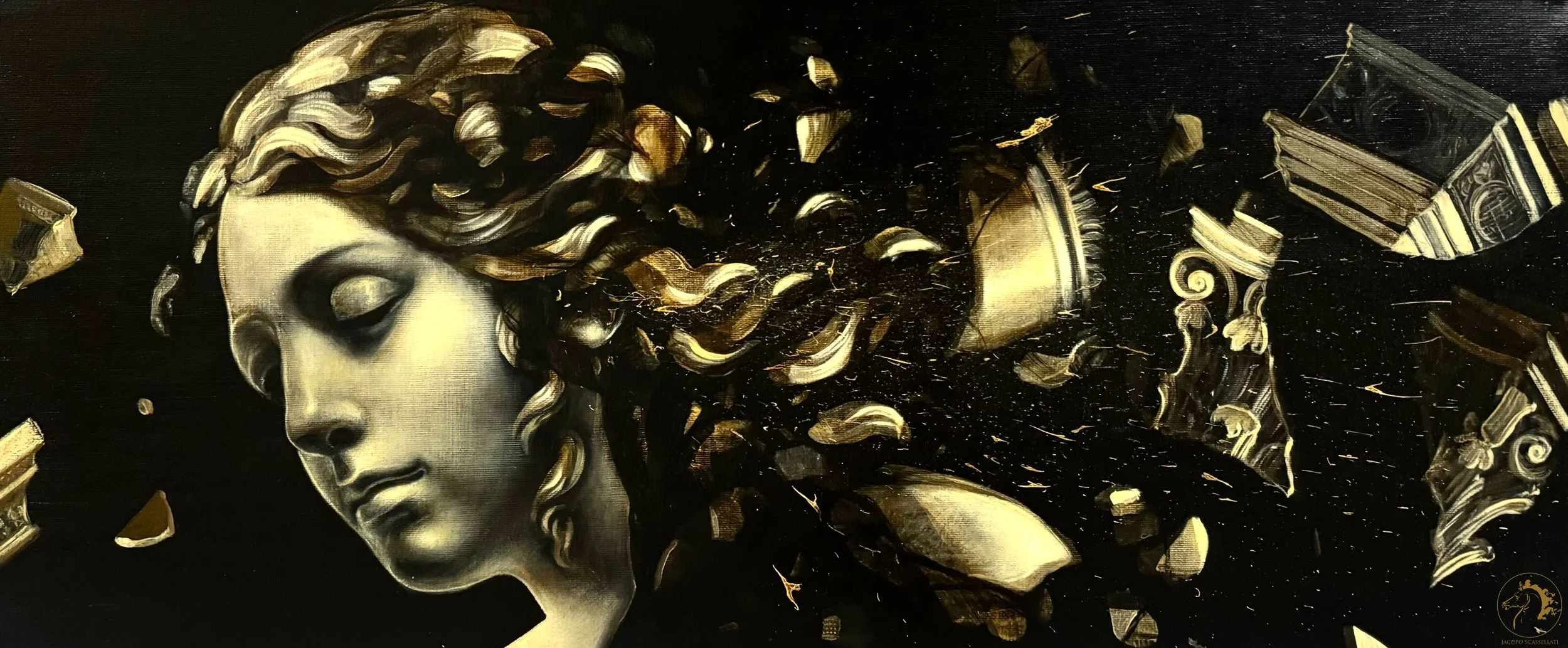
Atlantis Memories, oil on canvas, 30 x 70 cm
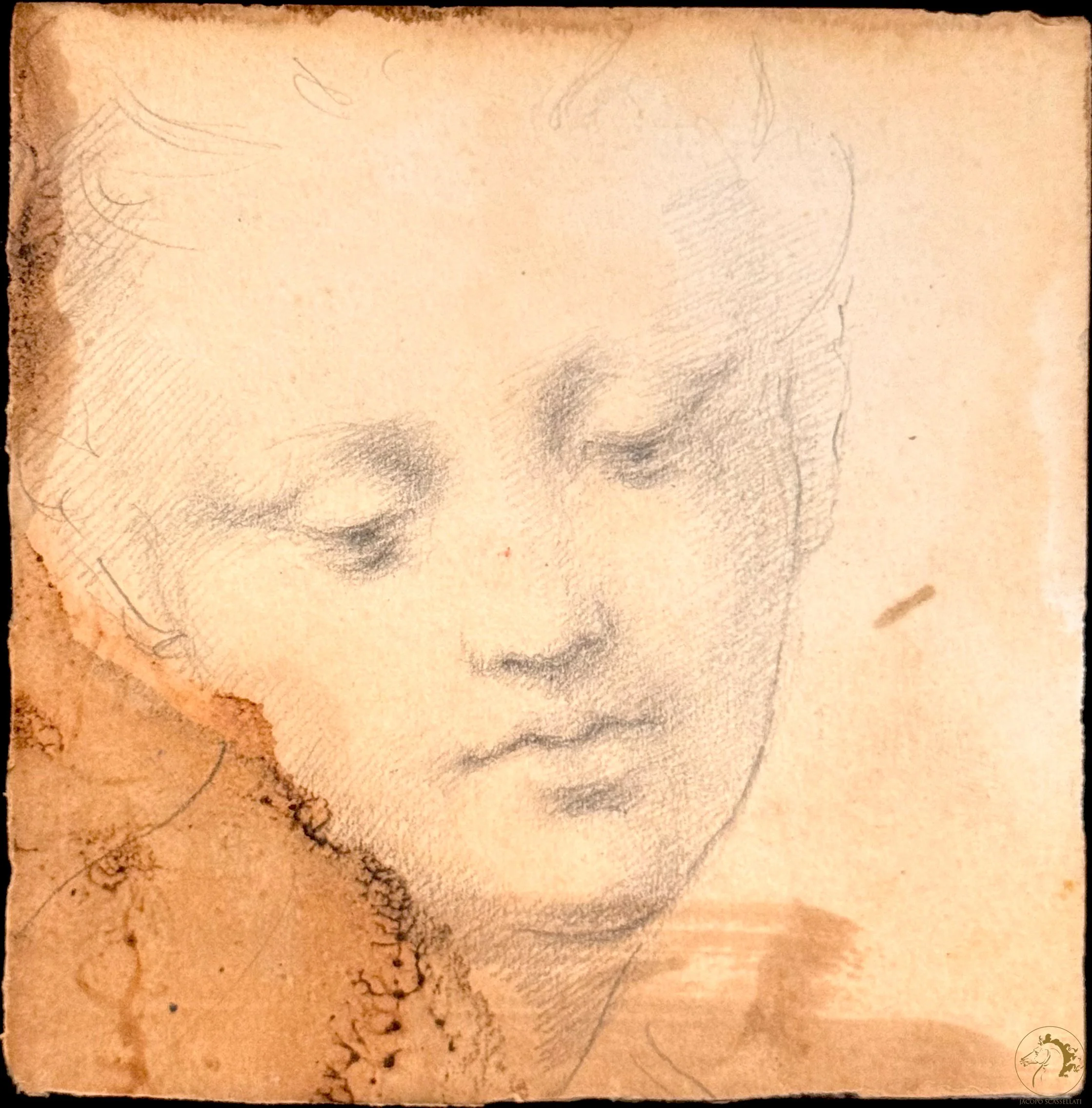
Beyond the Sign, oil on panel, 4 x 4 inches
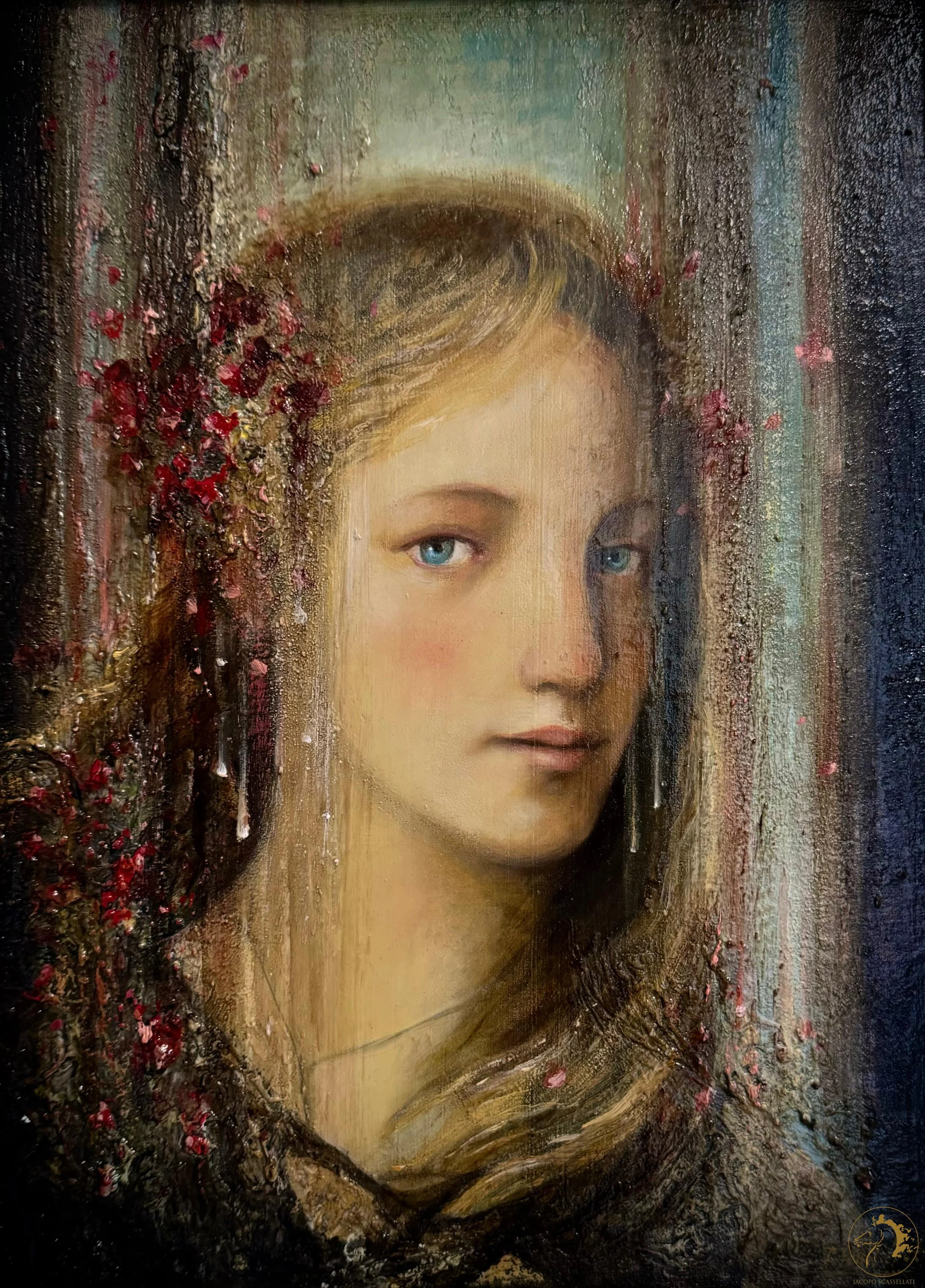
Petals of Light, oil on canvas, 30 x 40 cm
Sculptures
Jacopo Scassellati is an Italian artist who places clay at the center of his sculptural research. His works draw on Sardinian tradition and classical training, intertwining cultural memory and academic rigor in a personal and recognizable language.
For Scassellati, art begins as a mental process, an inner vision that takes shape through the conscious transformation of matter. Each material is studied, observed, and experimented with patiently, in a continuous dialogue between technical knowledge and intuitive sensitivity.
Every stage of the work is guided directly by his hands: from the preparation of pigments and backgrounds to the final definition of the composition. Following the example of the masters of the past, he personally creates natural pigments, keeping an ancient tradition alive while remaining open to the search for new techniques and experiences.
His terracotta sculptures, marked by cracks, patinas, and hand-applied glazes, bear the signs of time and transformation. They seem to emerge from a dimension suspended between archaeology and vision, placed on a subtle threshold where the sacred and the corporeal meet.
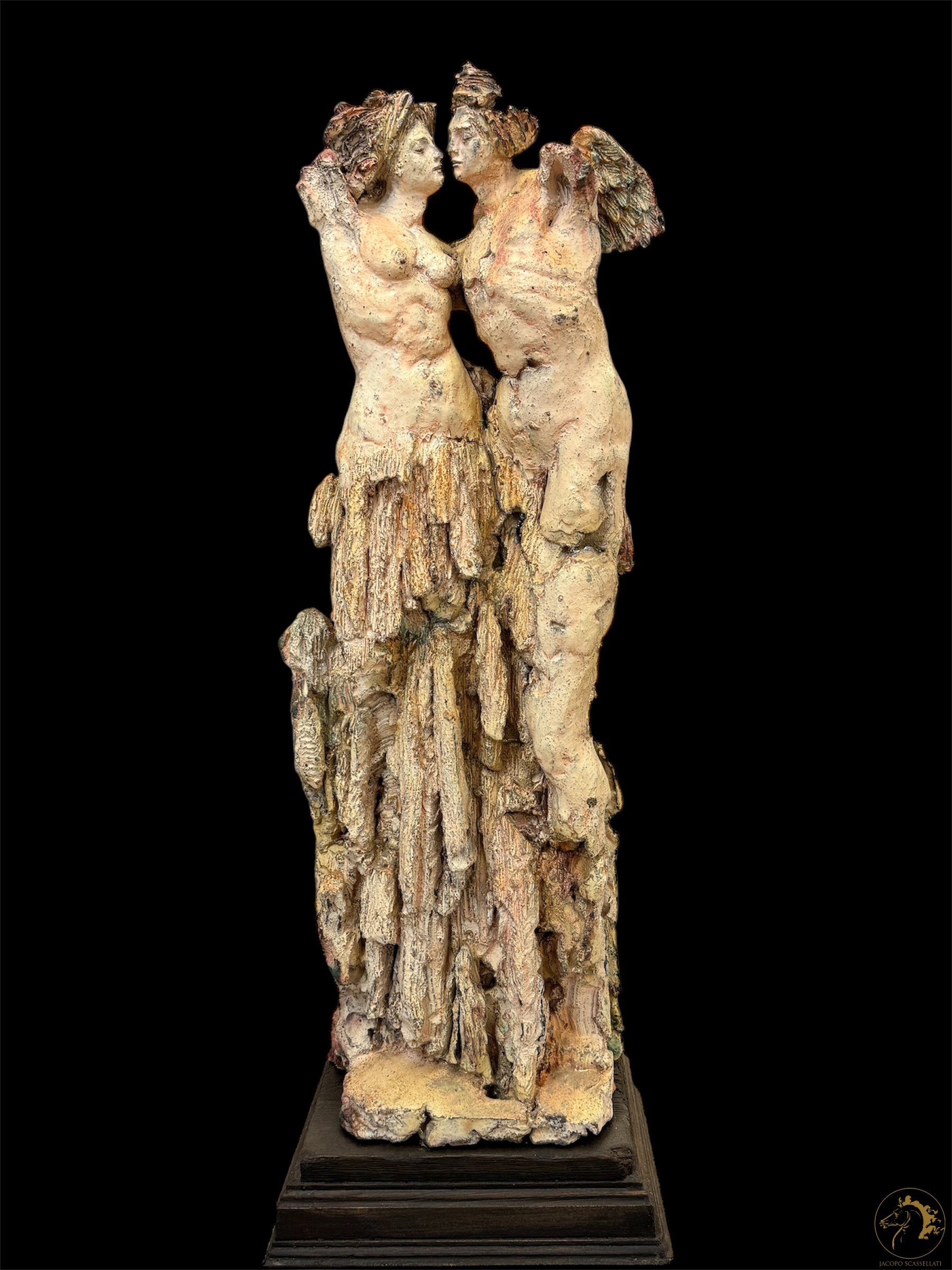
The Moments of the Embrace, high-fired glazed ceramic, 67 x 22 x 20 cm, 2019
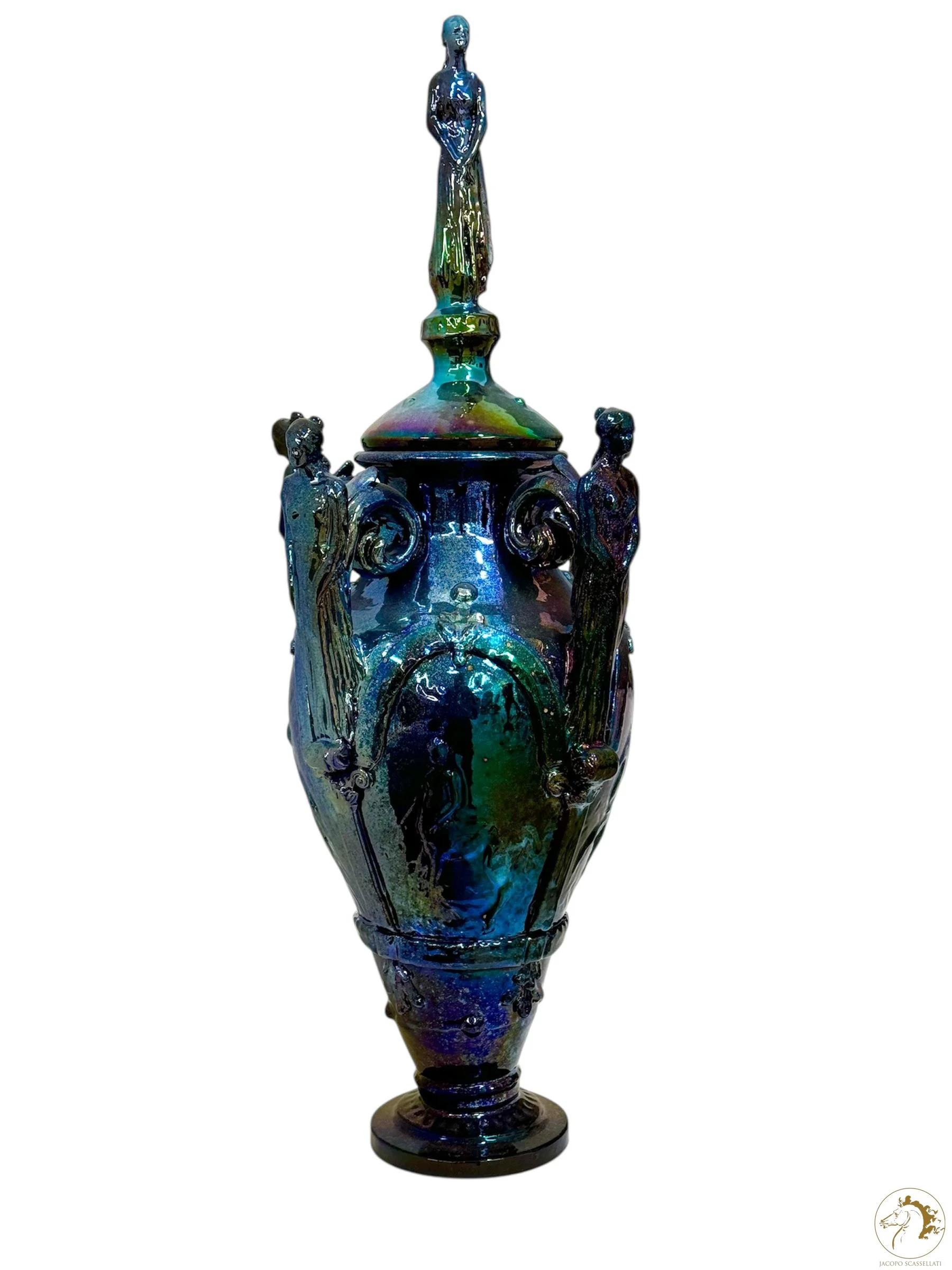
Pandora's Box, high-fired glazed ceramic, 62 x 21 x 21 cm
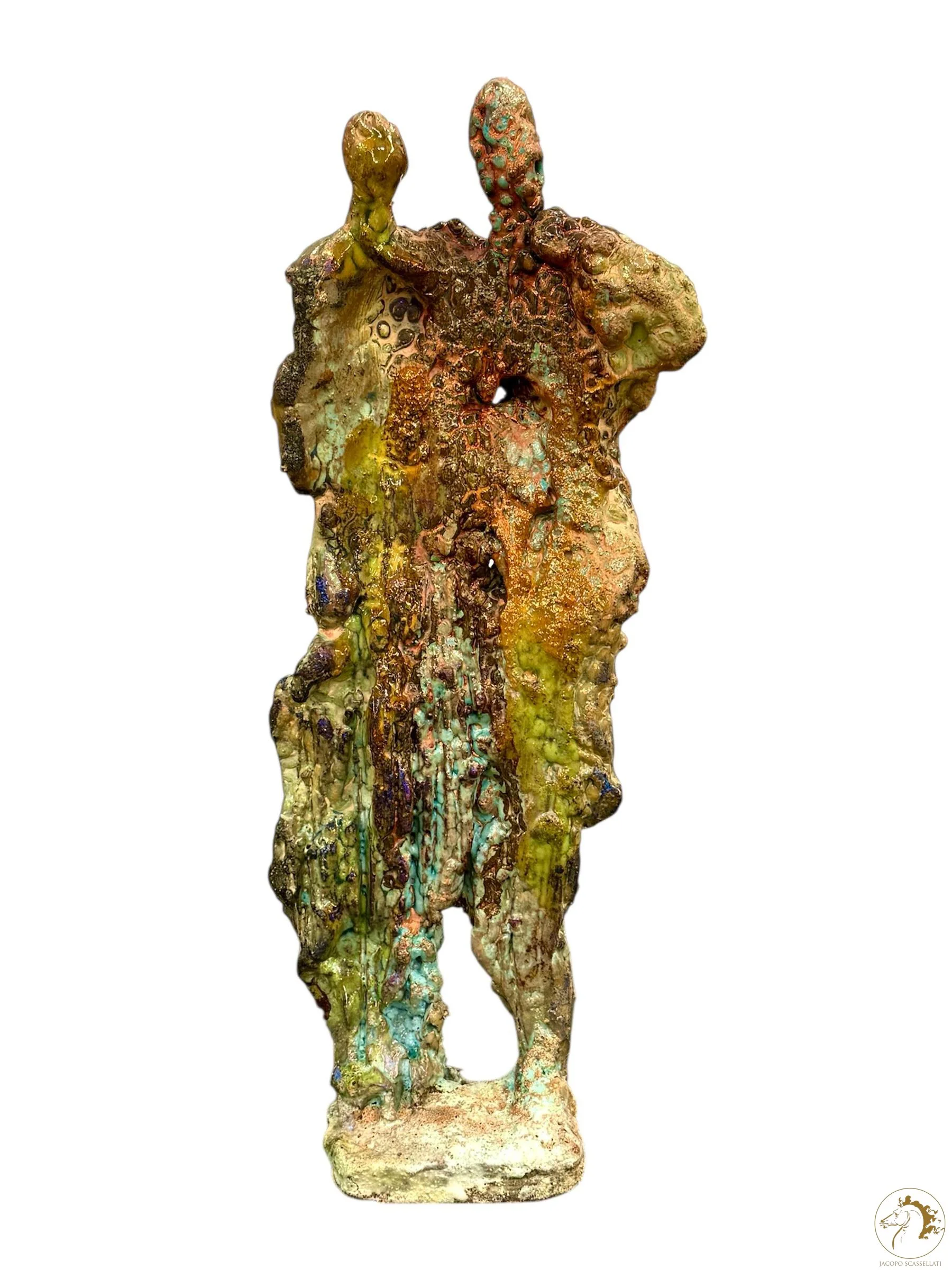
Cosmic Visions, high-fired glazed ceramic, 32 x 12 x 3 cm
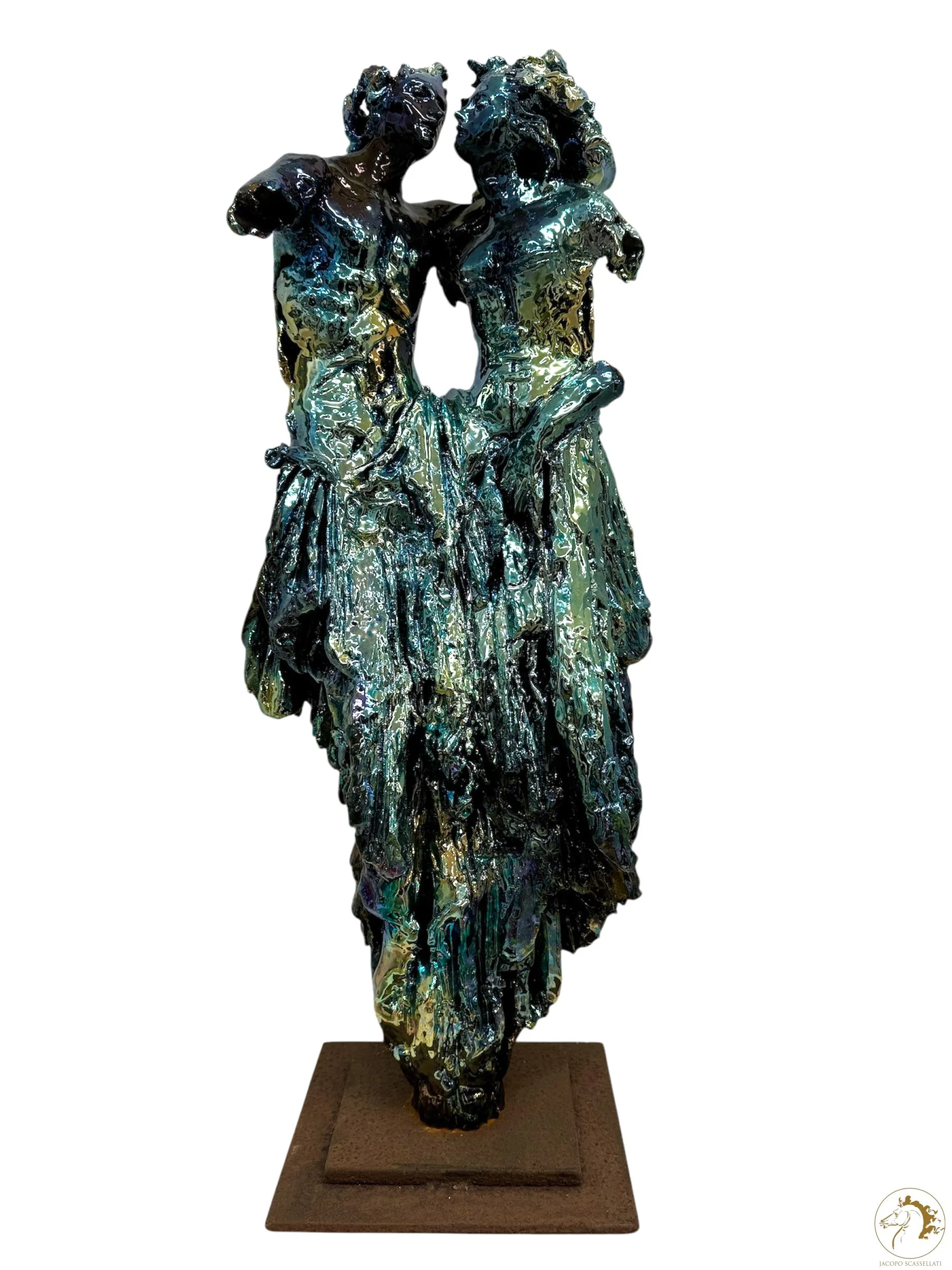
Luce Sotto Pelle (Light Under the Skin), high-fired glazed ceramic, 63 x 25 x 13 cm, 2024
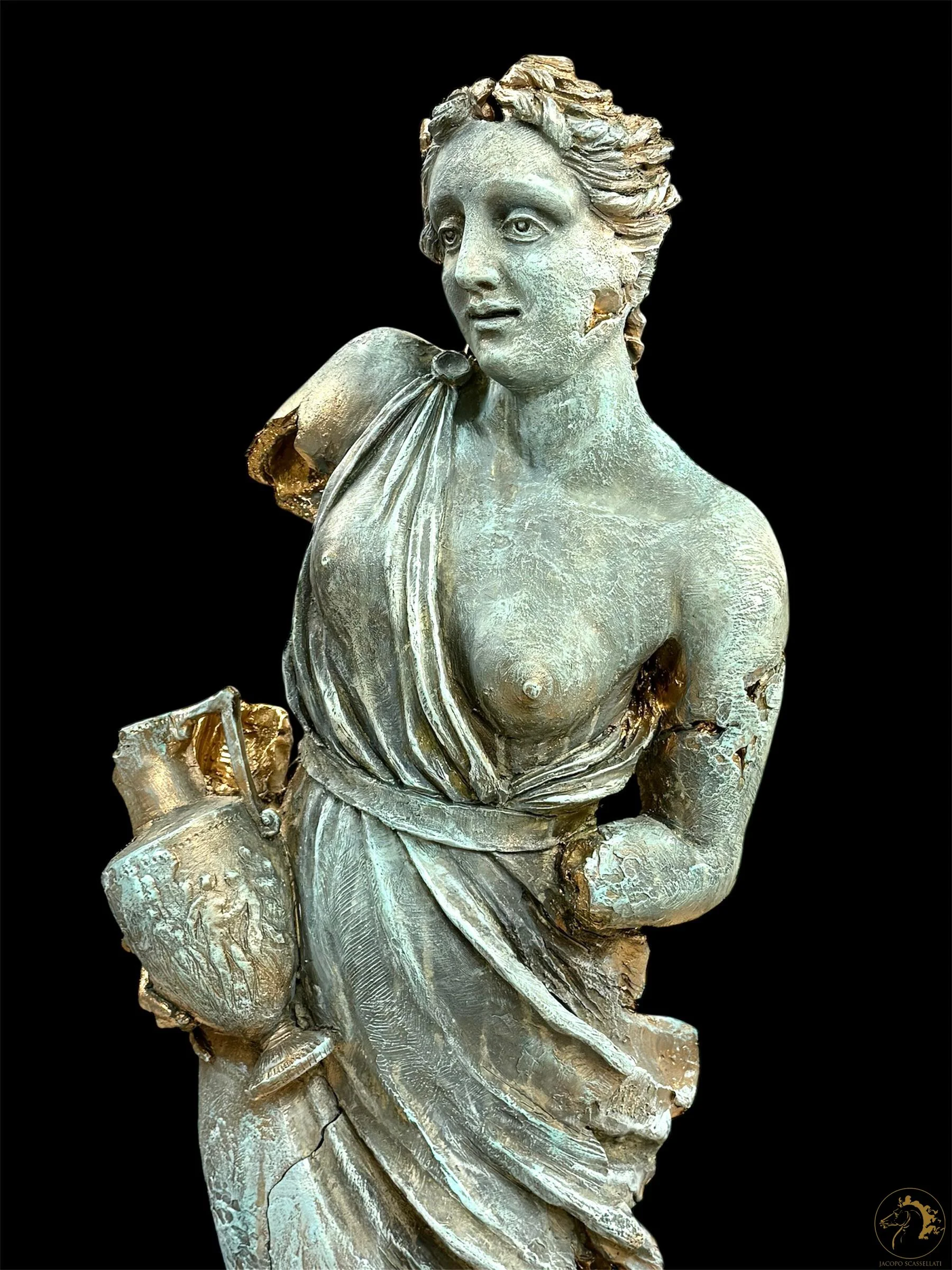
Pandora, polychrome terracotta, 76 x 35 x 18 cm
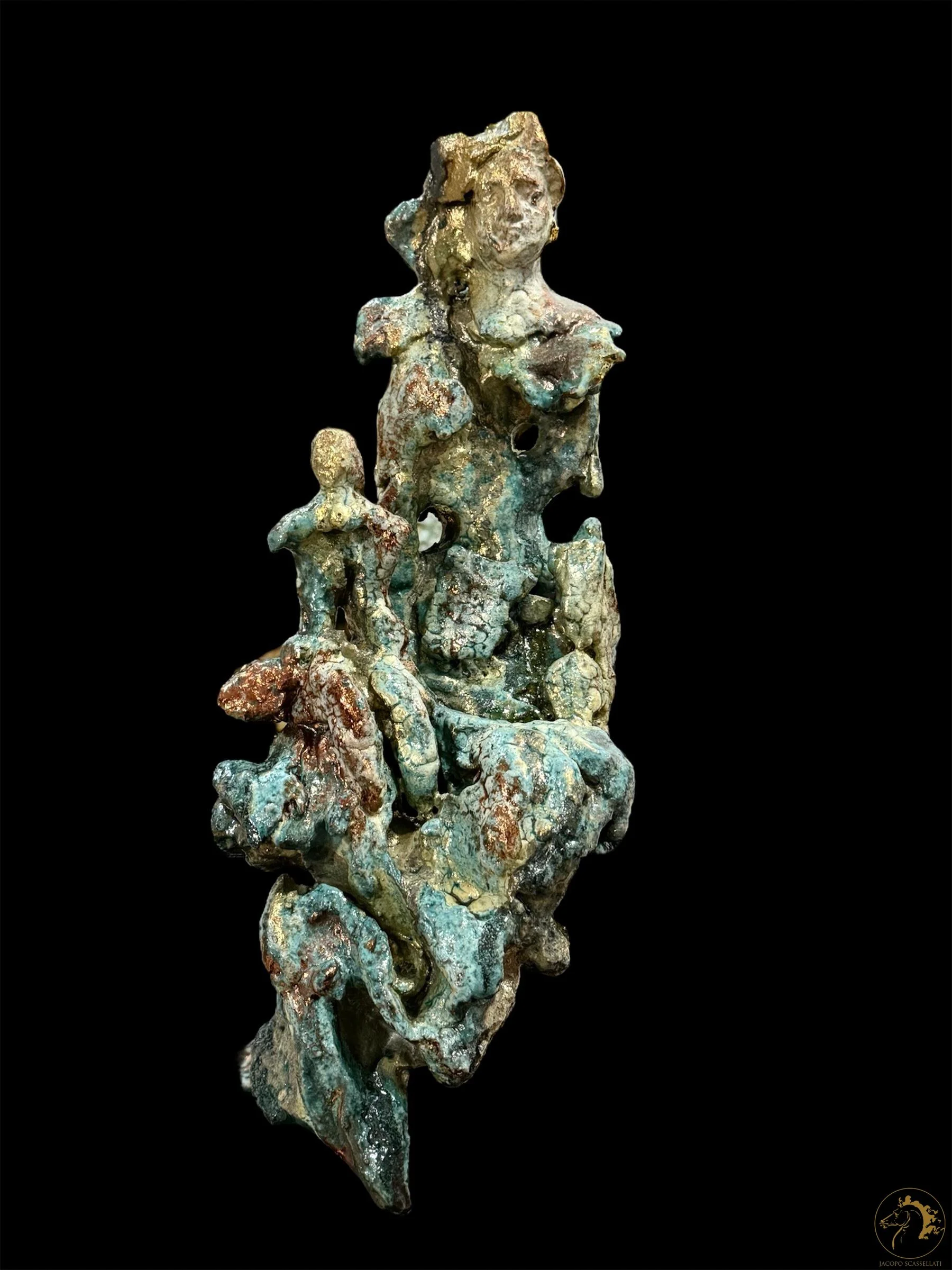
Alma Mater, high-fired glazed ceramic, 44 x 17 x 14 cm
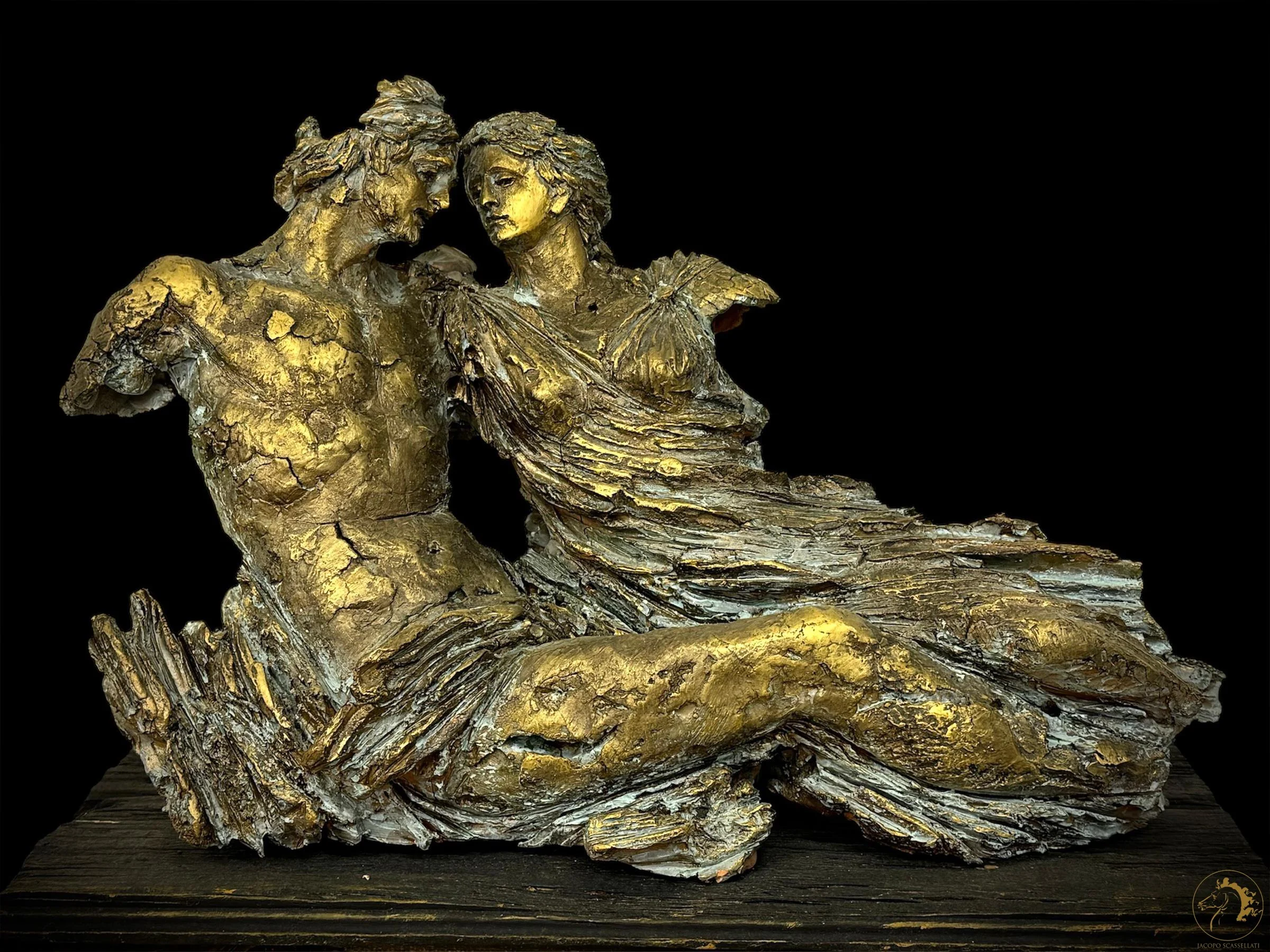
The Return of Ulysses, polychrome terracotta, 36 x 57 x 21 cm
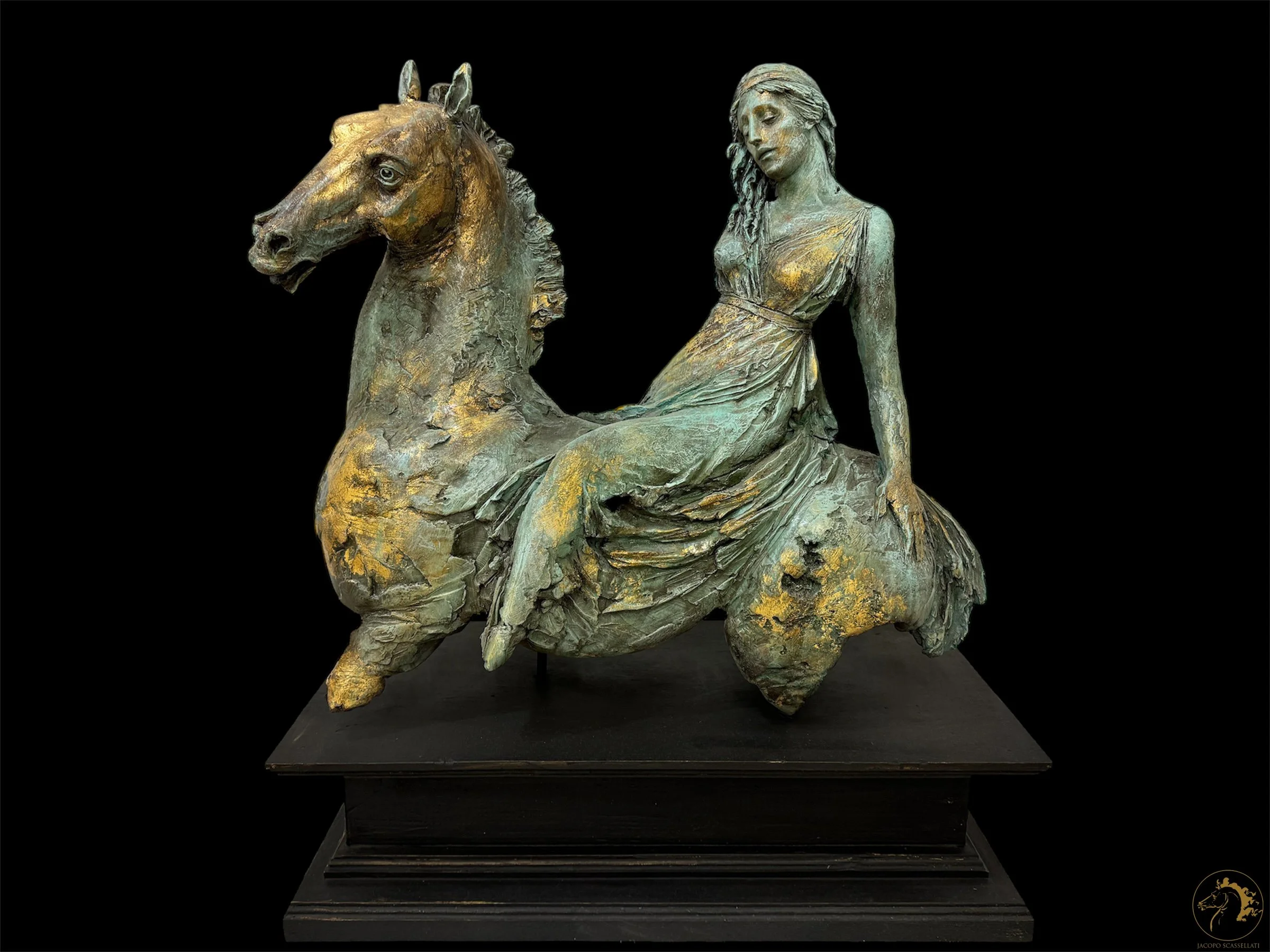
Anima di Vetro (Glass Soul), polychrome terracotta, 65 x 70 x 27 cm, 2023
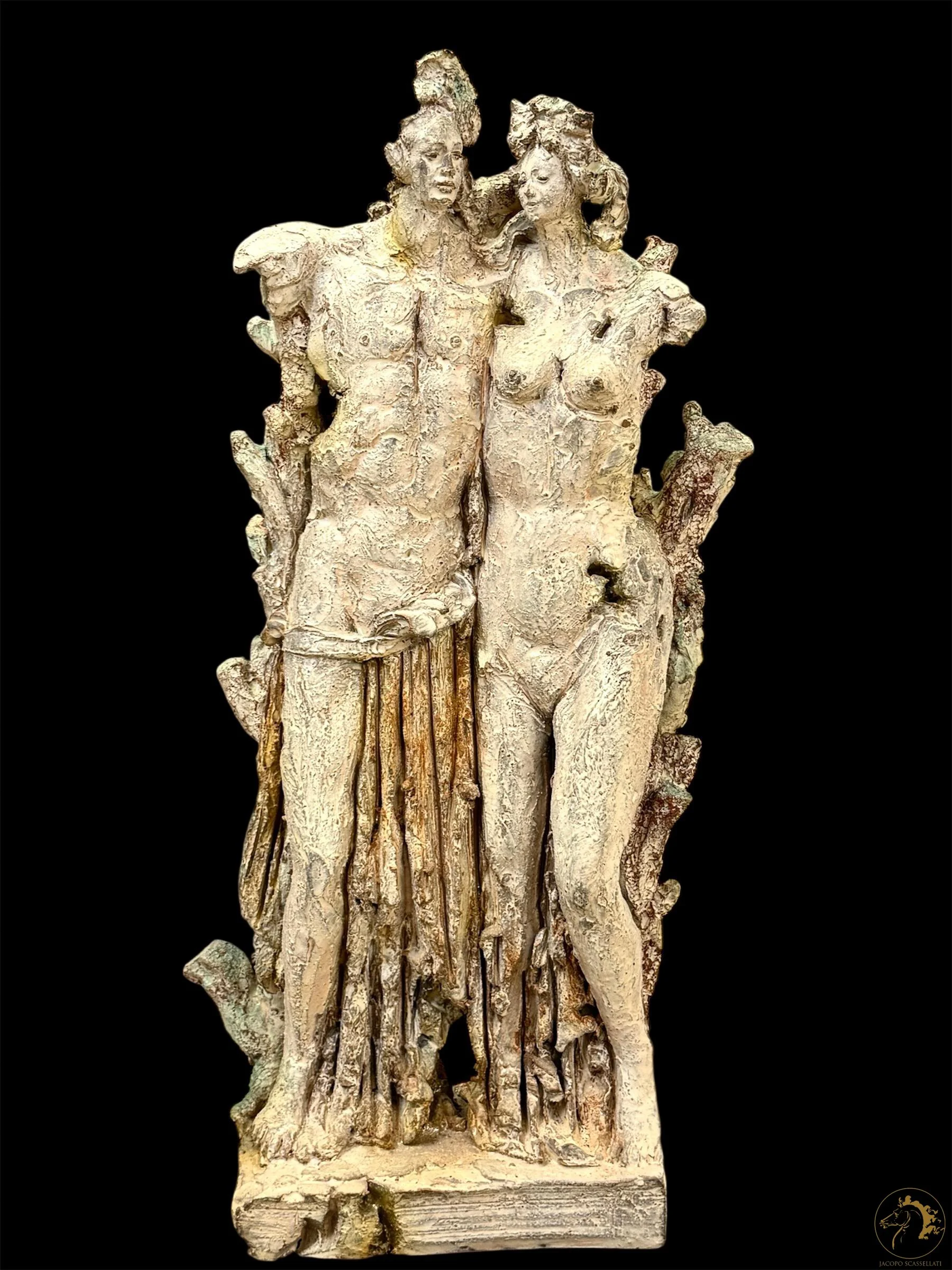
Embrace in Eden, high-fired glazed ceramic, 57 x 27 x 15 cm
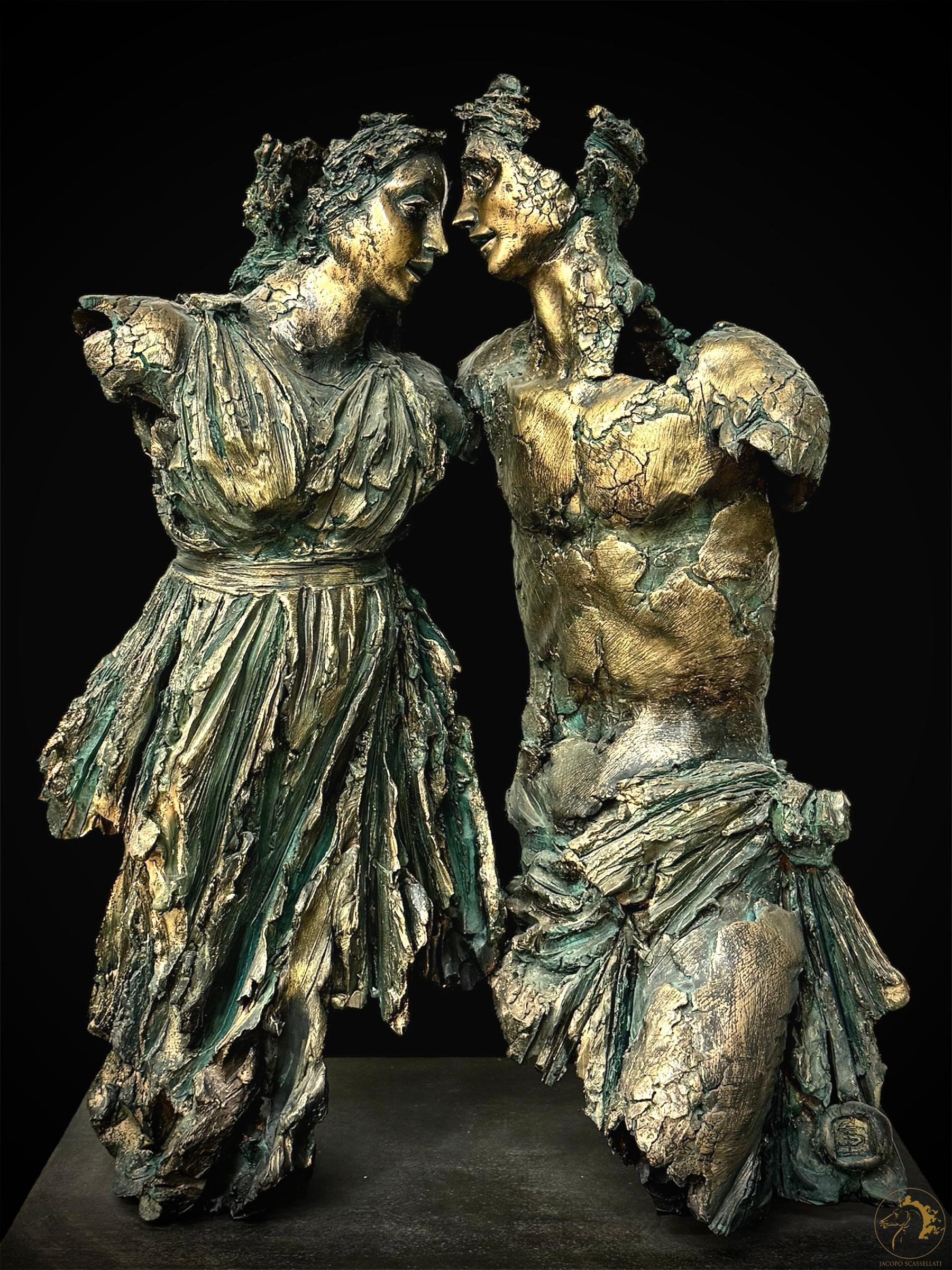
Apollo and Daphne, polychrome terracotta, 73 x 50 x 32 cm
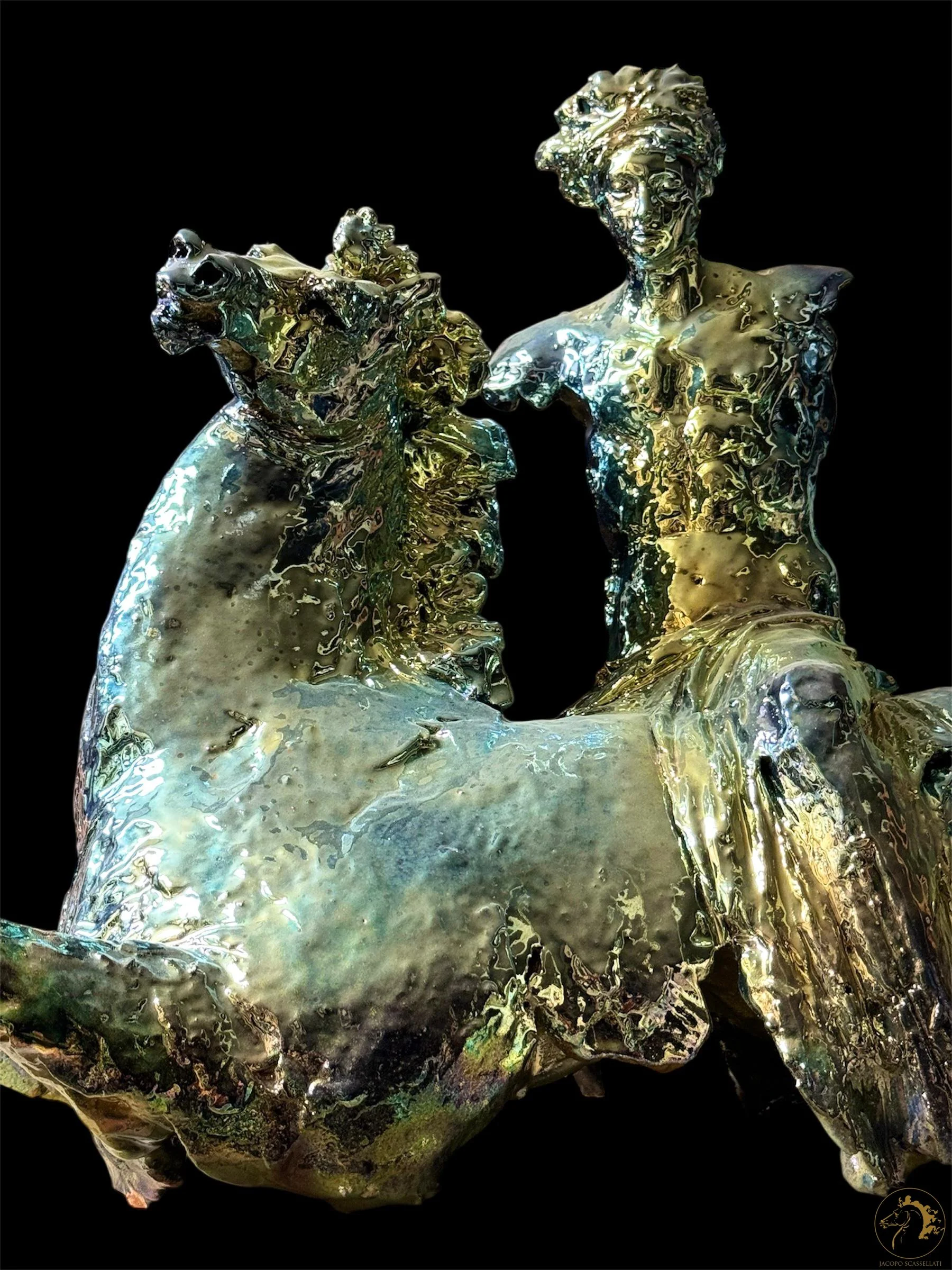
Equid, high-fired glazed ceramic, 38 x 20 x 52 cm
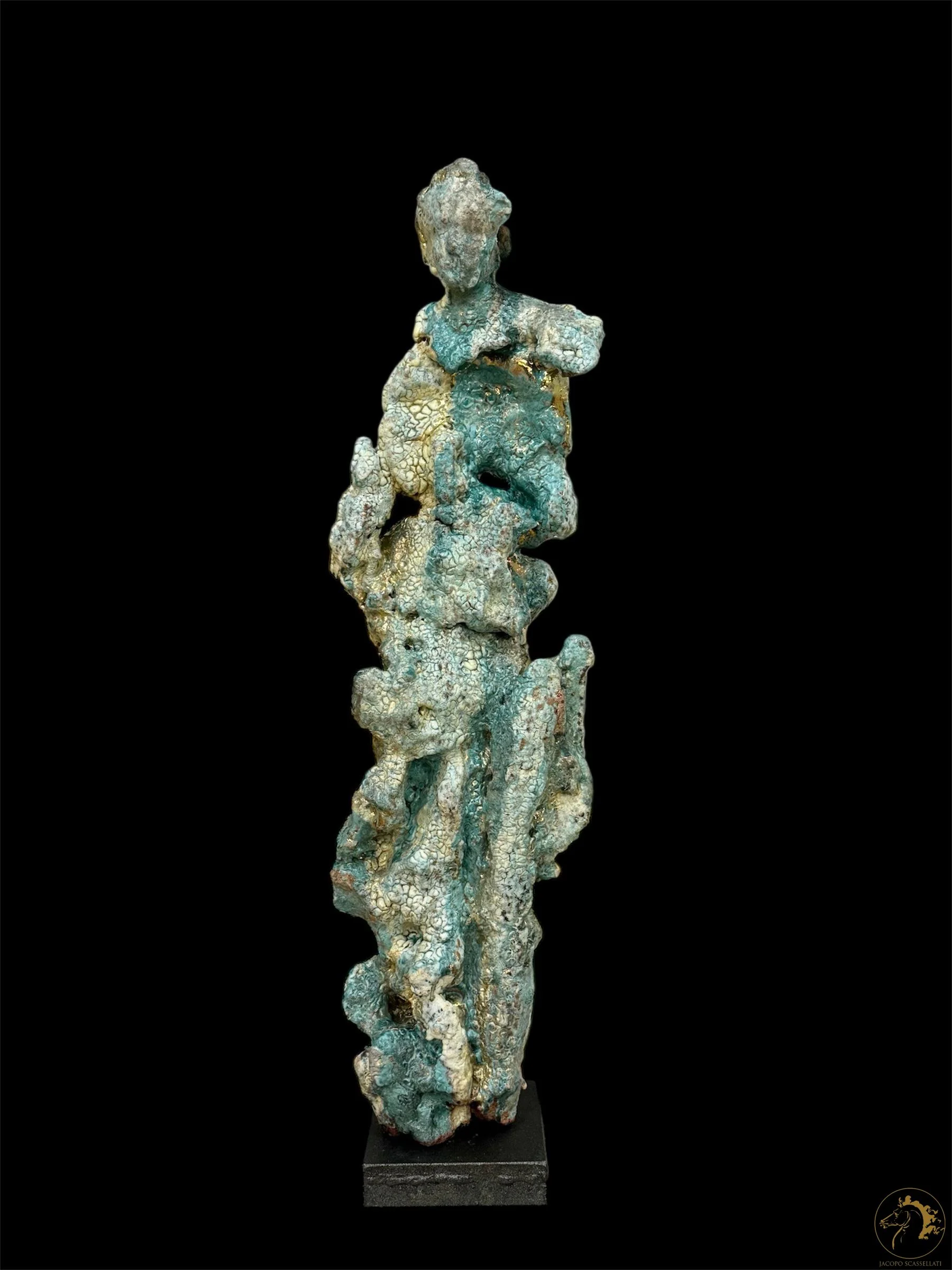
Cosmic Form, high-fired glazed ceramic, 63 x 12 x 10 cm
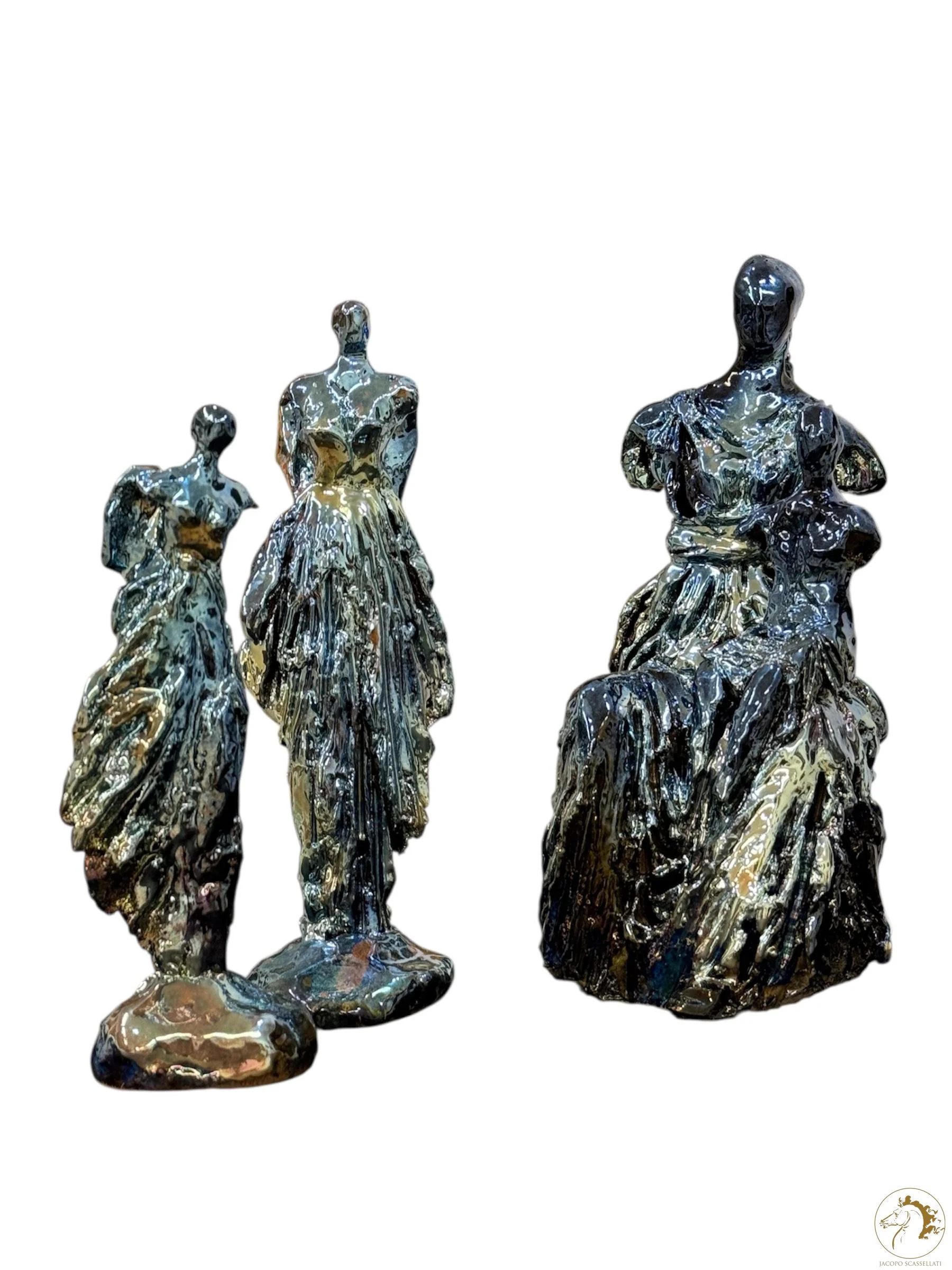
Angelic Fragments, high-fired glazed ceramic, 13 x 7 x 5 inches
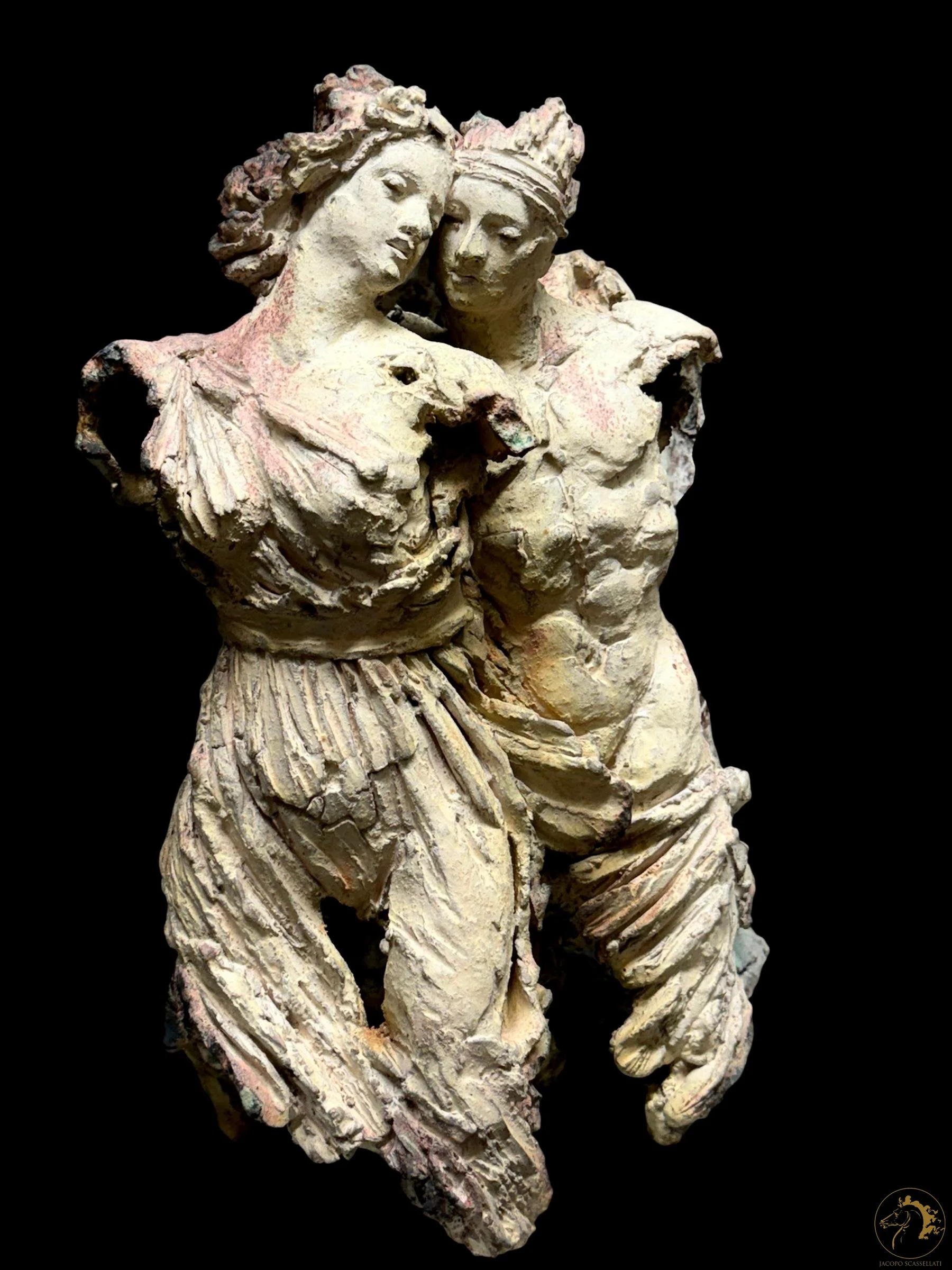
Il Volo nell'Abbraccio (The Flight in the Embrace), high-fired glazed ceramic, 35 x 22 x 17 cm
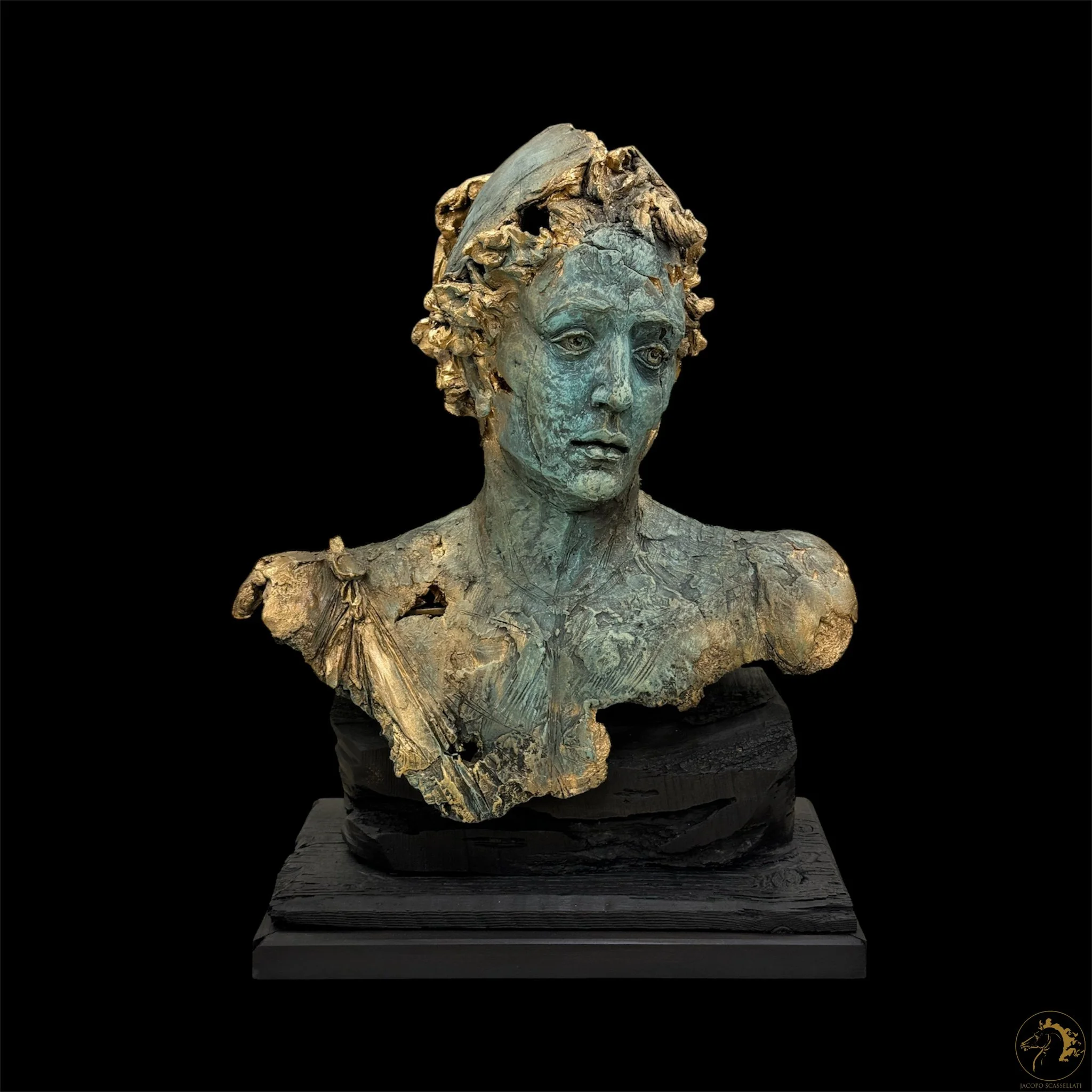
The Hero of Crete, polychrome terracotta, 60 x 40 x 23 cm, 2023
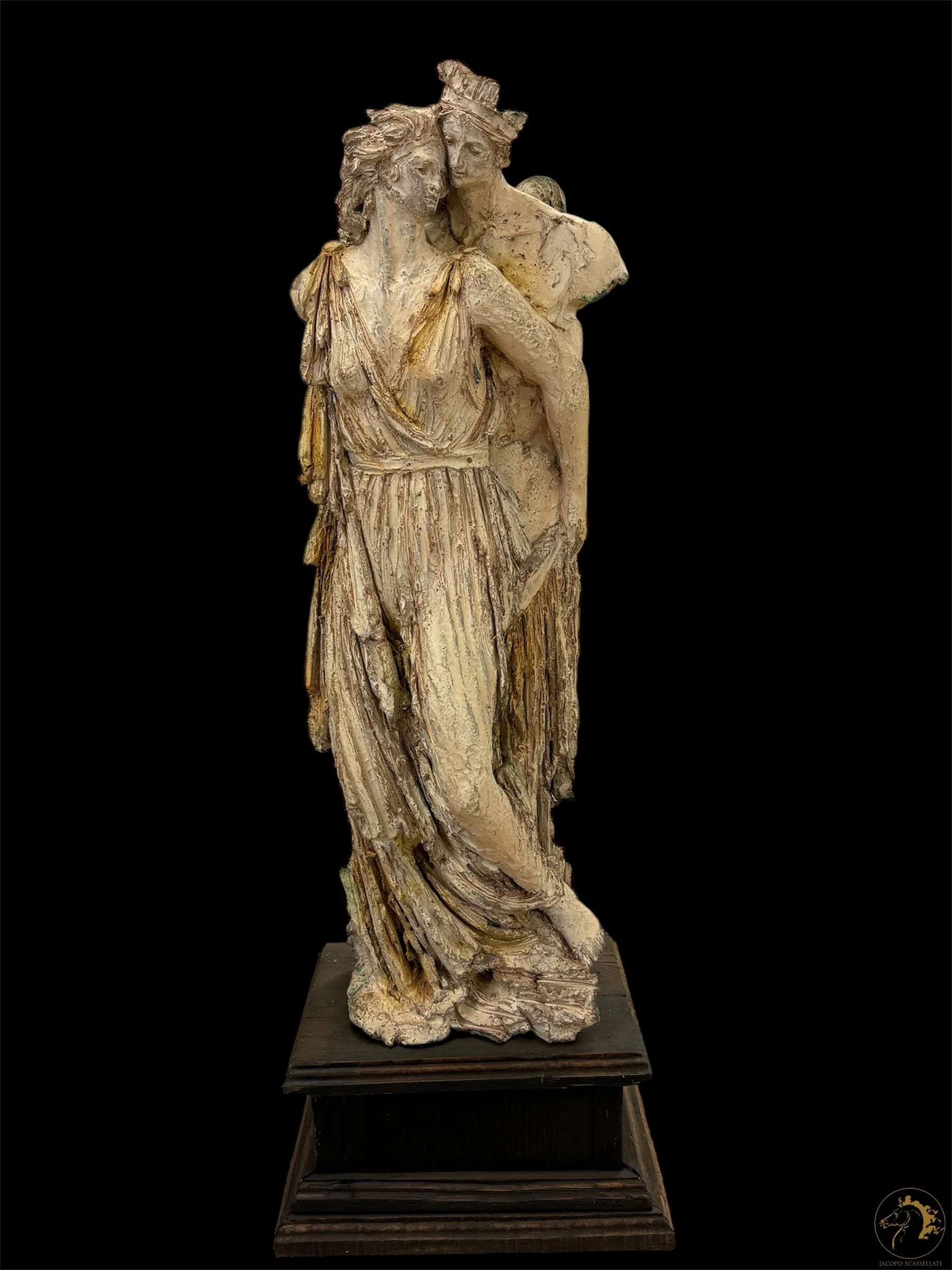
The Last Light of Ithaca, high-fired glazed ceramic, 75 x 27 x 16 cm, 2022
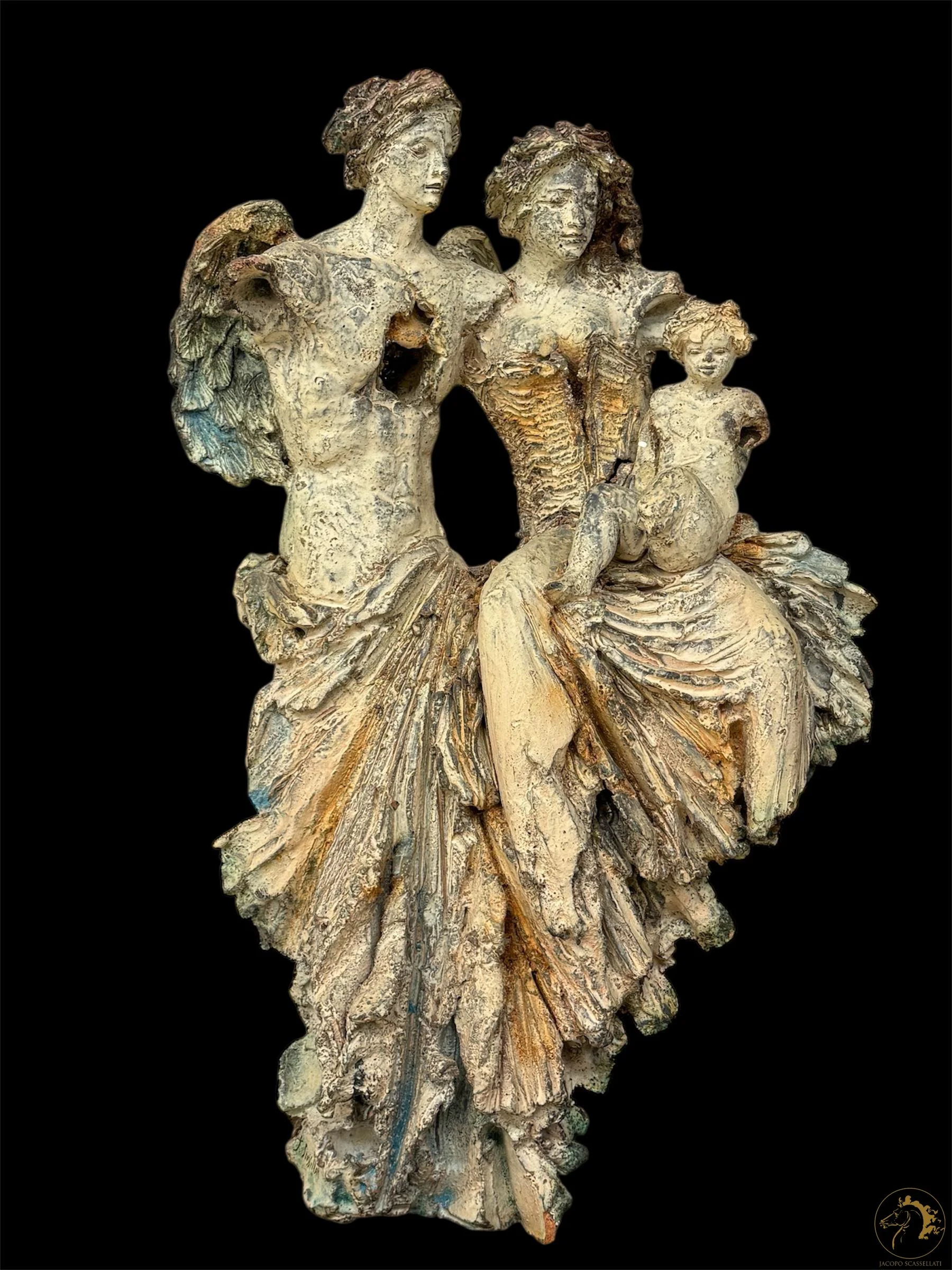
Between Us, Life, high-fired glazed ceramic, 58 x 35 x 18 cm
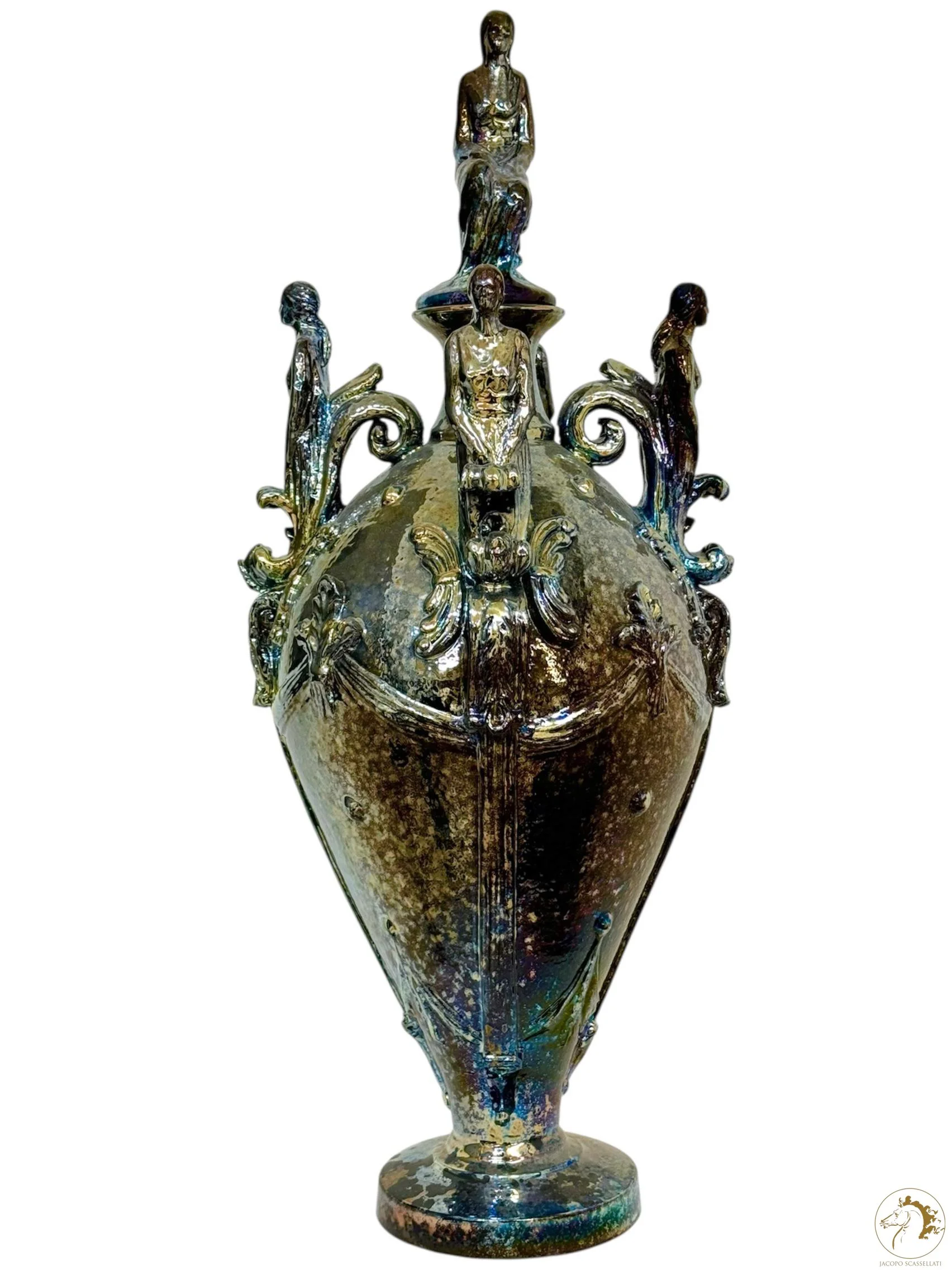
Pandora's box, high-fired glazed ceramic, 60 x 22 x 22 cm